
Digital Crimper selection is becoming more technical as global manufacturing moves toward electrification, traceability, and tighter quality control. The International Energy Agency reported that global electric car sales exceeded 17 million units in 2024. That growth increases demand for consistent wire-terminal connections in vehicles, charging systems, batteries, and industrial equipment. Reports from Grand View Research and MarketsandMarkets also identify automation, connected production, and process monitoring as major equipment trends.
The market is not simple.
This guide compares the main Digital Crimper types for global buyers in 2026, including handheld battery models, benchtop servo crimpers, pneumatic systems, and automated applicator units. Each type serves a different production reality. A mobile repair team may value a lightweight tool with stored crimp cycles. A factory may require force monitoring, digital stroke adjustment, barcode traceability, and rapid die changes. The cheapest option can become expensive when rejected terminals, operator fatigue, or undocumented settings appear.
Dan C. Scarpino, a TE Connectivity crimping specialist, states the core principle clearly: “A good crimp is a gas-tight connection.” Buyers should connect that principle with recognized requirements, including IEC 60352-2 and IPC/WHMA-A-620, where applicable. Supplier claims still need testing. Ask for force curves, calibration records, terminal compatibility, sample crimps, and after-sales support in the destination region. IP ratings and voltage labels can also vary between markets.
One detail is easy to overlook: digital displays do not automatically guarantee quality. They only show what the machine measures. This guide therefore examines accuracy, repeatability, tooling flexibility, maintenance, operator training, certification, and total ownership cost. The comparison is practical, but not perfect. Real production conditions can expose weaknesses that a product brochure hides.
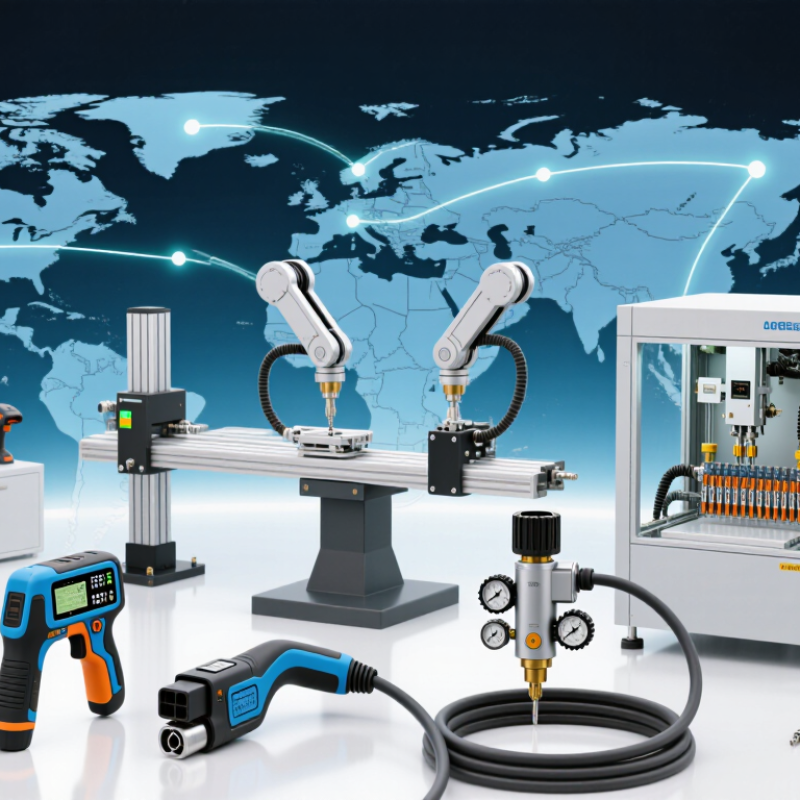
A digital crimper joins a terminal to a conductor with controlled mechanical force. Its screen may display crimp force, height, cycle count, and error alerts. Some systems also record operator ID, tooling life, and production time. These features turn a manual operation into measurable process data. That matters. A 2024 World Robotics report recorded 541,302 industrial robot installations worldwide in 2023. Cable assembly is moving toward similar traceability, even when operators still load terminals by hand.
The correct tool depends on terminal geometry, wire size, insulation diameter, and required crimp profile. Engineers should verify conductor pull force, bellmouth shape, terminal wings, and cross-section results. Digital force monitoring can detect missing strands or incorrect positioning during production. However, it cannot repair poor wire stripping. Small errors grow.
The 2024 IPC Global Electronics Industry Survey identified continuing pressure for higher productivity and stronger process control across electronics manufacturing. Digital crimpers support that pressure by storing measurable results for each cycle.
In practical use, buyers should request calibration records, replacement-tool availability, and compatibility with their quality system. A fast cycle is useful, but stable force is more important. Operators also need training. I have seen readable displays create false confidence when the applicator was worn. That weakness deserves attention. A digital crimper improves modern cable assembly only when its data connects with inspection, maintenance, and disciplined work instructions.
2026 Top Digital Crimper Types for Global Buyers
Key Types of Digital Crimpers for Different Terminal Applications
Digital crimpers vary by terminal design, wire size, and production volume. Choosing the correct type improves connection consistency and reduces rework.
Handheld digital crimpers suit insulated terminals, small connectors, and field repairs. Their displays can show crimp force, cycle count, and battery status. They work well for maintenance teams handling varied cable sizes. However, operators must select the correct die and confirm the terminal position every time.
Benchtop programmable crimpers are better for repeated terminal assemblies. They support preset force, stroke, and cycle settings. This helps control ferrule, ring terminal, and blade terminal production. Many models can record process data for quality checks. A small mistake in setup still causes weak crimps. Digital control does not replace proper training.
Servo-electric crimpers handle higher volumes and tighter process requirements. They are suitable for automotive harnesses, appliance wiring, and precision connector terminals. For large copper lugs, digital hydraulic crimpers provide stronger force and monitor pressure during each cycle. Die alignment remains critical, especially with thick conductors.
In practical testing, pull-force results can change when wire strands, insulation, or terminal plating differ. That detail is easy to overlook. Buyers should request sample crimp tests, calibration records, and clear die specifications before ordering. A reliable machine is valuable, but disciplined inspection matters more.
2026 Top Digital Crimper Types for Global Buyers
How Digital Crimpers Work: Controls, Sensors, and Crimping Processes
Digital crimpers combine programmed force, position control, and sensor feedback. The operator selects a terminal profile, wire size, and target crimp height. A servo-driven ram then compresses the terminal with controlled speed. Load cells measure resistance during each cycle. Position sensors confirm the ram reaches its programmed depth. This process reduces variation between operators and production shifts.
A useful benchmark comes from the 2024 International Federation of Robotics report. It recorded 541,302 industrial robots installed worldwide in 2023. That figure reflects a wider move toward measurable, automated production. Digital crimpers support this trend by storing cycle data, detecting overloads, and flagging incomplete crimps. However, a clean digital reading does not guarantee a reliable connection. Incorrect tooling, damaged terminals, or poor wire preparation can still create hidden defects. That is where experience matters. Operators should verify results against IPC/WHMA-A-620 acceptance criteria and regular pull-force tests.
Tips: Check sensor calibration before production. Inspect the terminal barrel under magnification. Record crimp height, force curves, and wire type. Use sample pull tests during every material change. A perfect display can still mislead. Human review remains necessary.
2026 Top Digital Crimper Types for Global Buyers
Global Buyer Guide to Digital Crimper Specifications and Standards
Digital crimpers now range from compact battery tools to programmable bench machines. Selection should begin with terminal size, conductor material, and production volume. Check the stated crimping range in square millimeters, not only in product photos. Hydraulic models suit heavier cables, while servo-driven units offer repeatable force for factory work. A clear display should show force, cycle count, battery status, and fault alerts. In practical inspections, calibration records often matter more than attractive screen features. Confirm whether the supplier provides traceable calibration data and replacement dies. No tool is perfect.
Tips: Compare IEC 60352-2, DIN 46228, and applicable regional requirements. Verify whether UL or other local approvals are needed before importing. Ask for sample crimps, pull-test results, and dimensional reports. Inspect the die surface under bright light. Small gaps can create large failures. Also check operating temperature, ingress protection, charging voltage, and spare-part availability. These details affect field reliability.
For global purchasing, the specification sheet should identify crimp force, cycle time, repeatability, noise level, and net weight. Digital control does not automatically mean accuracy. Request factory test procedures and acceptance limits. A useful supplier should explain testing methods in plain language. Buyers should also review electrical safety, material restrictions, labeling, and documentation for the destination market. Standards can overlap, and translations may be incomplete. That is where careful technical review becomes essential.
Typical conductor-size coverage by digital crimper category, shown in mm². Actual capacity depends on die design, terminal geometry, conductor class and applicable certification requirements.
Buyer reference: insulated and non-insulated terminal tools commonly cover small control and power wiring; ferrule tools are used for bootlace ferrules; photovoltaic tools typically cover standardized solar cable sizes; hydraulic tools serve larger cable lugs. Check IEC 60352-2, IEC 61210, UL 486A-486B and regional requirements before purchase.
For global buyers, digital crimpers usually fall into three practical types: handheld, benchtop, and powered production models. Handheld units suit repairs and low-volume assembly. Benchtop machines offer steadier pressure and better operator control. Powered models improve output, but they require careful setup and trained users.
Quality starts with repeatable crimp force, accurate displays, and durable jaw surfaces. Ask for calibration records, test samples, and clear error codes. A stable frame reduces uneven crimps. The terminal should hold firmly without damaged insulation. In my inspection experience, sample testing reveals weaknesses that product sheets often hide. Small details matter.
Safety needs more than a protective cover. Look for guarded moving parts, overload protection, stable foot controls, and an accessible stop function. Maintenance should include simple jaw replacement, cleaning access, lubrication guidance, and available spare parts. Check power compatibility before importing equipment. This step is easy to underestimate. Cost performance includes purchase price, electricity, tooling, downtime, training, and service response. A cheaper machine may create higher labor costs through rework. Buyers should calculate the cost per reliable crimp, not the invoice alone. I still question whether every digital feature adds value; sometimes, a clearer display and dependable calibration are more useful than complex software.
| Cookie | Duration | Description |
|---|---|---|
| cookielawinfo-checkbox-analytics | 11 months | This cookie is set by GDPR Cookie Consent plugin. The cookie is used to store the user consent for the cookies in the category "Analytics". |
| cookielawinfo-checkbox-functional | 11 months | The cookie is set by GDPR cookie consent to record the user consent for the cookies in the category "Functional". |
| cookielawinfo-checkbox-necessary | 11 months | This cookie is set by GDPR Cookie Consent plugin. The cookies is used to store the user consent for the cookies in the category "Necessary". |
| cookielawinfo-checkbox-others | 11 months | This cookie is set by GDPR Cookie Consent plugin. The cookie is used to store the user consent for the cookies in the category "Other. |
| cookielawinfo-checkbox-performance | 11 months | This cookie is set by GDPR Cookie Consent plugin. The cookie is used to store the user consent for the cookies in the category "Performance". |
| viewed_cookie_policy | 11 months | The cookie is set by the GDPR Cookie Consent plugin and is used to store whether or not user has consented to the use of cookies. It does not store any personal data. |