2026 Top Automation Systems Trends and Innovations to Watch?
In 2026, automation systems are set to revolutionize various industries. These systems will improve efficiency and reduce costs significantly. New innovations are emerging, reshaping manufacturing, logistics, and services.
One major trend involves artificial intelligence integration. AI will enhance the decision-making process in automation systems. This shift may also prompt concerns about job displacement. Many fear that automation will replace human workers. This challenge requires careful consideration and adaptation.
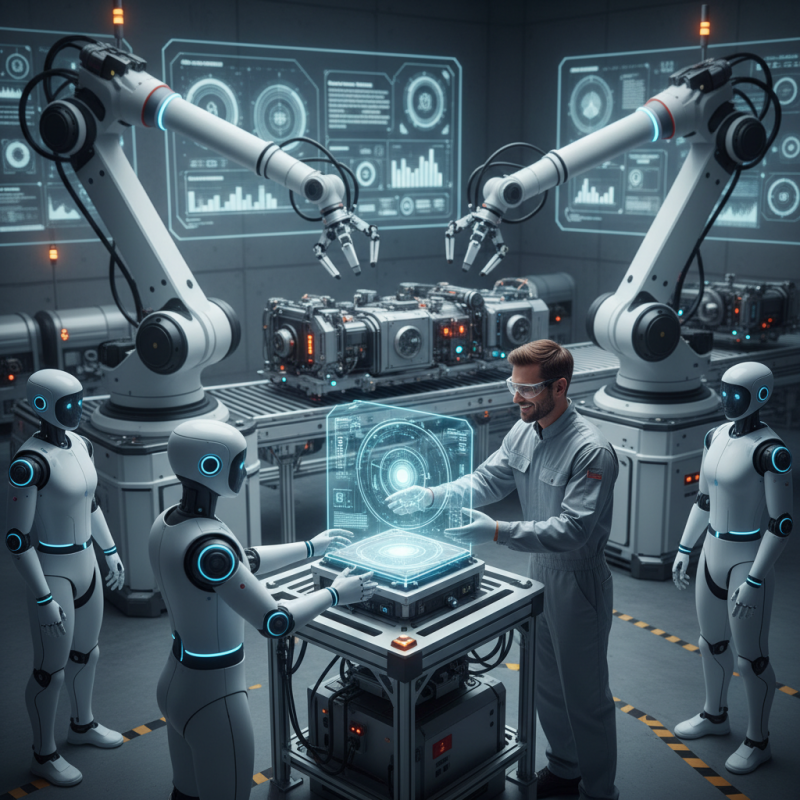
Another trend is the rise of collaborative robots, or cobots. These machines work alongside humans, enhancing productivity. They are designed to learn from human operators, fostering a more seamless interaction. However, the implementation of cobots raises questions about safety and training. The path forward must address these challenges while embracing the potential of automation systems.
Emerging Technologies Shaping the Future of Automation Systems
Emerging technologies are reshaping automation systems. Robotics and artificial intelligence, in particular, are revolutionizing industries. For instance, AI-driven algorithms enhance decision-making and improve efficiency. Businesses can now automate repetitive tasks, freeing up time for more complex issues.
Yet, not all challenges are solved. Automation can create gaps in workforce skills. Many workers need new training to adapt to these changes. Companies must invest in education and development to bridge this divide. Additionally, ethical considerations arise as AI grows more autonomous. Ensuring fairness and transparency in automated systems is crucial. These reflections on technology highlight both promise and pitfalls.
The Internet of Things (IoT) also plays a vital role. Connected devices enable real-time data collection and analysis. This information guides predictive maintenance, reducing downtime. However, reliance on interconnected systems introduces cybersecurity risks. Companies must remain vigilant against potential threats. Balancing innovation with security will be essential for future success.
Integration of Artificial Intelligence in Automation Processes
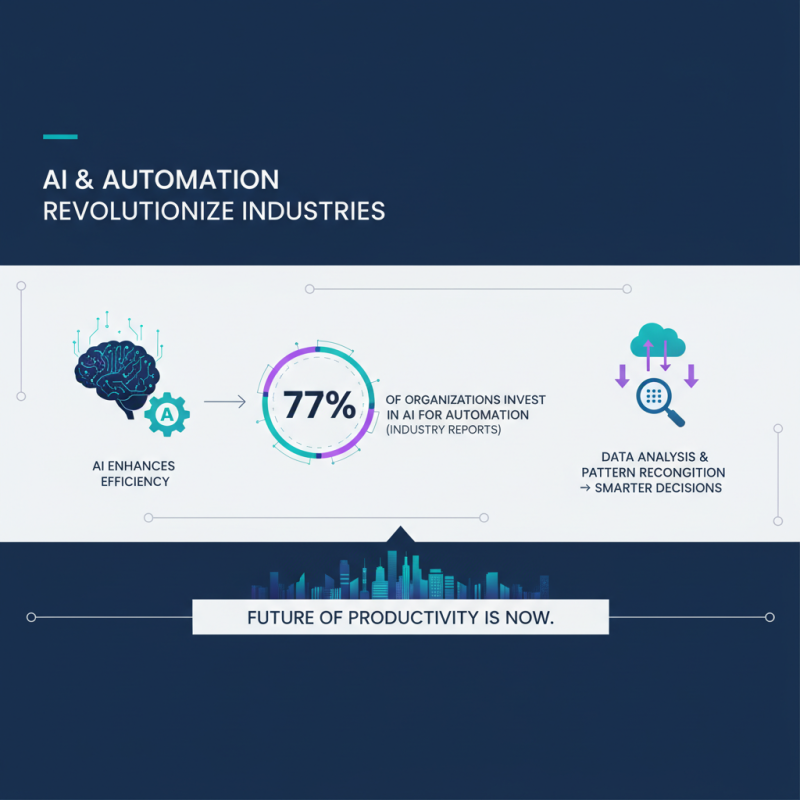
The integration of artificial intelligence (AI) into automation processes is revolutionizing industries worldwide. AI enhances efficiency in various sectors. According to recent industry reports, more than 77% of organizations are investing in AI technologies for their automation needs. These systems can analyze vast amounts of data quickly. They identify patterns that humans might overlook. This capability leads to improved decision-making and productivity.
However, there are challenges. Many companies grapple with the complexity of integrating AI into existing systems. A report by a leading research firm indicated that 60% of organizations face integration difficulties. This might lead to wasted resources and unmet expectations. In addition, the potential for job displacement raises ethical concerns. Striking a balance between efficiency and human impact is crucial.
AI in automation also enhances predictive maintenance in manufacturing. It can predict equipment failures before they occur. This proactive approach avoids costly downtime. Yet, there is a dire need for skilled workers who can manage these advanced systems. The gap between technology and the workforce may hinder progress. Embracing AI is essential, but it requires careful consideration of its broader implications.
Advancements in Robotics and Their Impact on Industry Automation
Robotics is reshaping industry automation significantly. From warehouses to manufacturing plants, these machines enhance productivity. They perform tasks previously done by humans. This shift leads to efficiency and accuracy improvements. Yet, it raises questions about job displacement. Workers may feel uncertain about their roles.
Automation systems introduce various robotic technologies. They include robotic arms, drones, and autonomous vehicles. These systems help reduce errors and save time. However, not all companies find it easy to implement them. Organizations must consider their specific needs and challenges when adopting new technologies.
Tip: Start small. Test with one or two robots before scaling up. Focus on areas where productivity could improve.
As industries evolve, the
human-robot collaboration grows. Teams now work alongside machines daily. This can create tension. Workers might feel threatened or insecure.
Communication about these changes is key. Involving employees in the process can ease tensions.
Tip: Provide training sessions. Empower workers to upskill, so they adapt better to the changes. Being part of innovation can boost morale.
The Role of IoT in Enhancing Automation Systems Efficiency
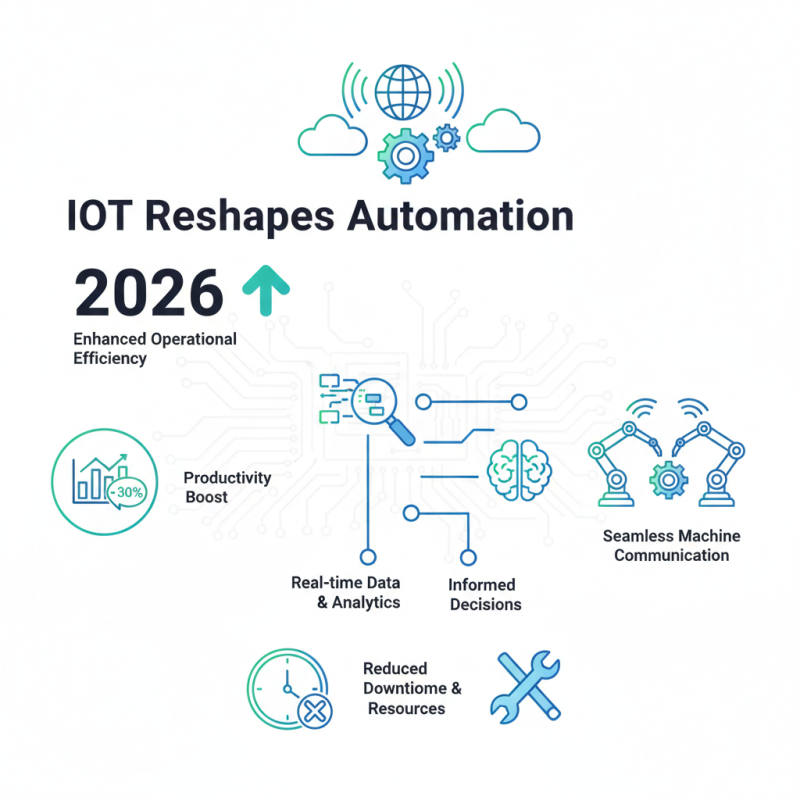
The integration of the Internet of Things (IoT) is reshaping automation systems. By 2026, IoT technologies will significantly enhance operational efficiency. Reports show that businesses adopting IoT can improve productivity by up to 30%. This shift allows for real-time data collection and analysis, which drives informed decision-making. With IoT, machines communicate seamlessly, reducing downtime and optimizing resource management.
Tips for leveraging IoT in automation include starting small. Implementing IoT devices in specific areas can provide insights without overwhelming systems. Training staff is crucial. Employees must understand the new technologies to maximize their potential. Ongoing assessments of IoT data can also reveal areas for improvement. Be aware, relying heavily on technology might create a skill gap.
IoT's potential is vast, but challenges exist. Security remains a concern, as connected devices can be vulnerable to attacks. Companies must prioritize cybersecurity to protect sensitive data. Moreover, the initial investment in IoT solutions can deter some organizations. Striking a balance between cost and technology is essential. Embracing these innovations is a proactive step toward future efficiency.
Sustainability Trends in Automation: Green Technologies and Practices
Sustainability is redefining the automation landscape. Recent reports highlight a significant shift toward green technologies. A study from the International Energy Agency notes that automation can enhance energy efficiency by up to 25%. This impact is crucial for industries aiming to reduce their carbon footprint.
Companies are increasingly adopting renewable energy sources. The use of solar and wind energy in automation systems is expanding. Some reports suggest that 60% of new automation projects now include sustainability criteria. This shift demonstrates a commitment to eco-friendly practices while improving operational efficiency.
However, challenges remain. Integrating green technologies often involves higher upfront costs. Many organizations struggle to balance these investments with immediate financial returns. Additionally, there is still a lack of standardized metrics to measure sustainability in automation. This complicates the decision-making process for businesses eager to embrace greener solutions. As we move forward, bridging these gaps will be essential for successful innovation.