2026 Top Industrial Control Systems for Global Buyers
Choosing the 2026 Top Industrial Control Systems for Global Buyers requires more than comparing software features or controller prices. Industrial control systems operate pumps, turbines, robotic arms, furnaces, and water-treatment equipment. Their value appears during a twelve-hour shift, not inside a sales presentation. Buyers should examine protocol support, deterministic response, safety integration, lifecycle availability, and local service capacity. A PLC cabinet running beside a hot production line needs more than impressive specifications.
The risks are measurable. Fortinet’s 2024 State of Operational Technology and Cybersecurity Report found that 73% of organizations experienced an intrusion affecting OT or both IT and OT environments. Nearly half needed more than a month to recover. NIST SP 800-82 Rev. 3 also stresses segmentation, secure remote access, asset visibility, and careful change management. Dragos’s 2024 OT Cybersecurity Year in Review further documented persistent ransomware and extortion pressure against industrial operators. These findings make resilience a purchasing requirement, not a technical extra.
Joe Weiss, managing partner at Applied Control Engineering and a recognized ICS cybersecurity specialist, states, “If you don’t understand the physics, you don’t understand the cybersecurity.” That warning should guide every global shortlist. The best system must respect process conditions, alarm behavior, operator training, and recovery procedures. It should also support transparent updates and accountable vendors. No ranking is perfect. A low-cost controller may become expensive when replacement firmware, spare modules, or engineering support disappear. This guide compares leading platforms through practical evidence, while acknowledging that regional standards, workforce skills, and plant age can change the final decision.
Industrial Control Systems: Definition, Scope, and Core Functions
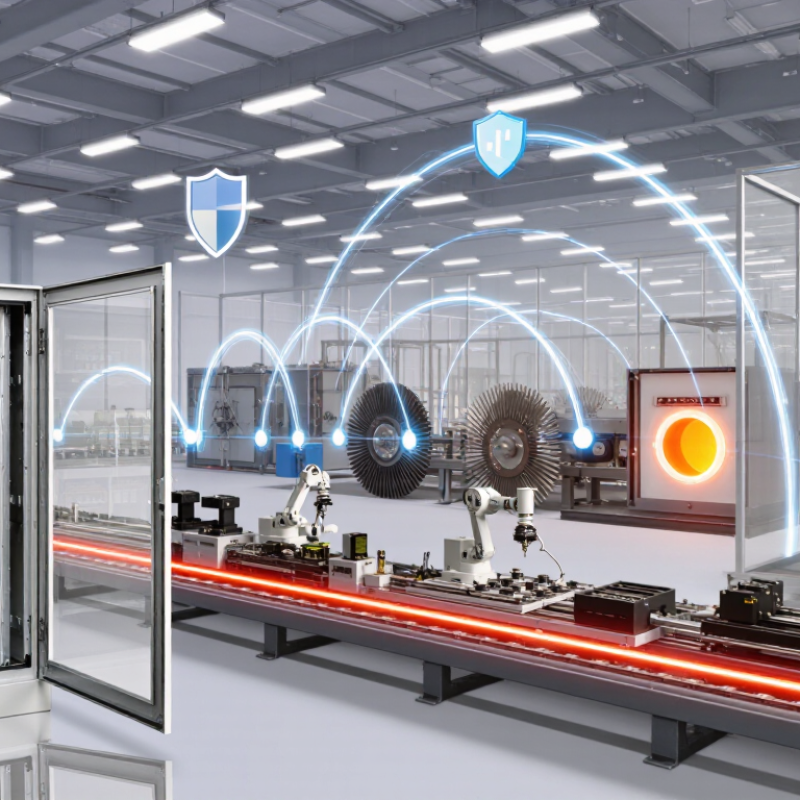
Industrial control systems are engineered environments that monitor, regulate, and automate physical processes. They connect sensors, controllers, networks, software, and operator interfaces. Unlike ordinary business software, they influence pumps, motors, valves, furnaces, and production lines. A temperature reading may trigger a cooling sequence within seconds.
Their scope covers manufacturing, energy, water treatment, transport, building services, and process industries. Smaller installations may control one machine, while larger systems coordinate several sites and remote facilities. Core functions include data acquisition, process control, alarm management, equipment diagnostics, and historical recording. Operators need clear displays, reliable alerts, and safe manual overrides. Maintenance teams also depend on event logs that show what changed and when.
In practical assessments, I look beyond a controller’s advertised capacity. I examine response time, network resilience, access controls, backup procedures, and compatibility with existing equipment. A system can perform well in a test room but struggle beside electrical noise or unstable connections. It is not just software. Human decisions matter. Poor alarm settings can hide serious problems beneath constant warnings. Safety interlocks should be tested, documented, and reviewed by qualified personnel. Yet no architecture is perfect. Older devices may lack modern security features, and upgrading everything at once may create new operational risks. Global buyers should compare lifecycle support, training quality, documentation, and local service capability, not only purchase price.
Key Technologies Shaping Industrial Control Systems in 2026
In 2026, industrial control systems are becoming more distributed, intelligent, and measurable. Edge computing places analysis near machines, reducing latency when cloud connections fail. A controller can detect vibration changes, temperature drift, or unusual cycle times locally. This matters in remote plants and high-speed production lines. It also limits unnecessary data transfers. Fast decisions matter.
Artificial intelligence supports predictive maintenance, quality inspection, and adaptive process control. Digital twins provide a safer testing space for new recipes, robot paths, and energy settings. Industrial Ethernet with time-sensitive networking improves synchronization across controllers, sensors, and motion systems. However, accurate results depend on clean historical data and disciplined calibration. A model can be confidently wrong. Engineers still need alarms, manual overrides, and clear operating procedures.
Cybersecurity is moving toward segmented networks, verified identities, secure remote access, and continuous monitoring. Buyers should examine update methods, audit records, safety certifications, and compatibility with older equipment. Interoperability remains difficult. A new gateway may expose gaps in a twenty-year-old controller. That is not a small detail. Energy management is also becoming a control priority, linking production targets with power quality, storage, and emissions data. The technology is promising, but rushed deployment can create complexity instead of resilience. Practical trials reveal more than polished demonstrations.
Evaluation Criteria for Selecting an Industrial Control System
2026 Top Industrial Control Systems for Global Buyers
Selecting an industrial control system starts with the process, not the brochure.
Map response times, safety functions, sensor counts, and operator actions. A packaging line may need millisecond control, while a water facility may prioritize stable remote monitoring. Test both conditions.
Deloitte’s 2024 Smart Manufacturing and Operations Survey found that 86% of manufacturers expect smart manufacturing to improve competitiveness within five years.
That expectation requires measurable criteria. Evaluate interoperability, lifecycle support, cybersecurity, training, and energy visibility. NIST SP 800-82 Revision 3 recommends separating operational technology networks and controlling remote access. Ask vendors to demonstrate this architecture using your actual plant layout.
Security deserves practical testing.
IBM’s X-Force 2024 Threat Intelligence Index reported that manufacturing represented 25.7% of observed cyberattacks in 2023.
Check patch procedures, account controls, event logging, and recovery time. A system that performs well during commissioning may struggle after ten years of upgrades. Request a five-year total-cost model, including spare parts and engineering hours. Do not accept a perfect scorecard too quickly. Field conditions are messier. A short pilot with real alarms, network delays, and unplanned operator actions reveals more than a polished presentation.
Global Deployment, Security, Compliance, and Lifecycle Management
2026 Top Industrial Control Systems for Global Buyers
Global Deployment, Security, Compliance, and Lifecycle Management
A global control system must survive uneven networks, aging equipment, and changing regulations. Field experience shows that deployment plans often fail at the remote site. Weak segmentation, shared accounts, and missing asset records create avoidable exposure. The 2024 Data Breach Investigations Report recorded a 180% increase in vulnerability exploitation. That number should influence every procurement decision.
Security begins with a complete asset inventory. Include controllers, engineering workstations, sensors, gateways, and maintenance laptops. NIST SP 800-82 Rev. 3 recommends separating operational technology from enterprise networks. Use role-based access, offline recovery copies, signed updates, and monitored remote sessions. Keep it practical. A perfect inventory is unrealistic, but an untested inventory is worse.
Compliance must continue after installation. IEC 62443 controls can support secure design, supplier evaluation, and operational maintenance. Regional requirements may also demand incident reporting, vulnerability handling, and evidence retention. Buyers should request software bills of materials, patch timelines, end-of-life notices, and documented support levels. ENISA’s 2024 Threat Landscape confirms that ransomware remains a major operational threat. Lifecycle planning cannot be treated as paperwork. It needs budget, trained technicians, spare components, and annual recovery exercises. Many organizations still test backups, but not full production restoration. That gap deserves uncomfortable attention.
2026 Top Industrial Control Systems for Global Buyers
Global deployment, security, compliance, and lifecycle management reference metrics
This chart presents vendor-neutral reference points that global buyers can use when evaluating industrial control system capabilities. The values are based on published cybersecurity frameworks and standards rather than company or brand performance data.
Sources: NIST Cybersecurity Framework 2.0 Core Functions; IEC 62443 Security Levels; CIS Controls v8; ISO/IEC 27001 certification audit cycle guidance. The values are reference quantities and are not directly comparable performance scores.