Exploring 2026 Top Process Control Systems Trends and Innovations?
In recent years, process control systems have evolved dramatically. These innovations shape industries from manufacturing to energy. The year 2026 promises exciting trends in this field. Companies are eager to enhance efficiency and safety through advanced technologies.
One significant trend is the integration of artificial intelligence. AI helps optimize processes and predict potential failures. However, relying too much on automation raises concerns. Human oversight remains critical in achieving balance. Moreover, cybersecurity issues arise as systems become more interconnected.
As we explore these trends, it’s vital to reflect on the implications. Are we prepared for the challenges ahead? The evolution of process control systems demands careful consideration. It requires a commitment to innovation alongside responsibility. The future is bright, but it comes with hurdles to overcome.
Emerging Technologies in Process Control Systems for 2026
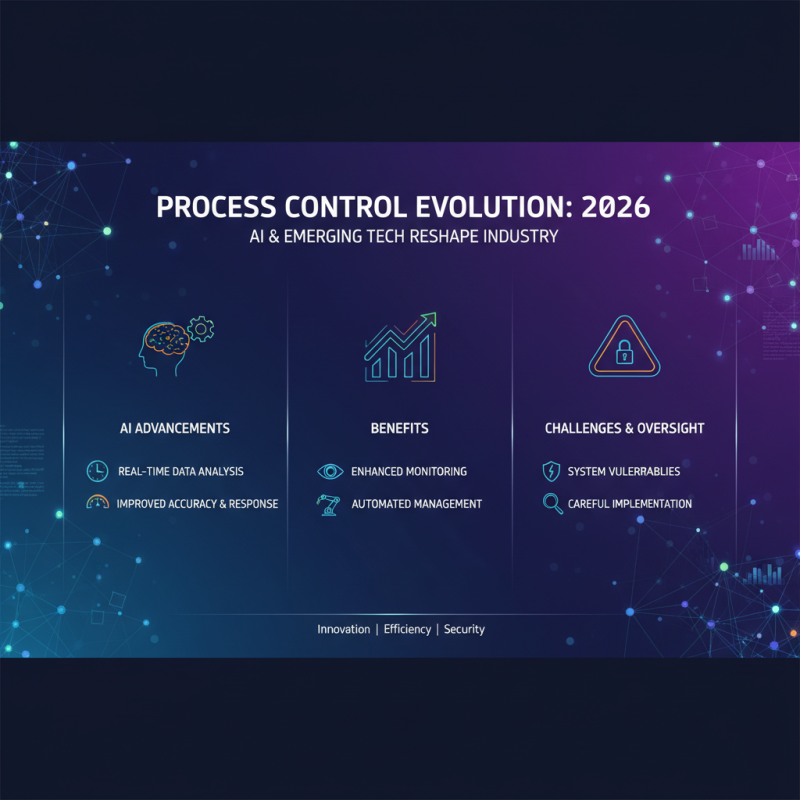
Emerging technologies are driving significant changes in process control systems for 2026. Advances in artificial intelligence are reshaping how industries monitor and manage processes. Algorithms can analyze data in real time, improving accuracy and reducing response times. However, the implementation of AI can lead to unexpected challenges. System vulnerabilities may arise, necessitating careful oversight.
Another trend is the integration of IoT devices. Sensors and smart equipment collect data continuously. This connectivity enhances the decision-making process. Yet, the sheer volume of data can overwhelm existing systems. Filtering relevant information is essential for effective analysis. Companies may find themselves investing in better data management solutions.
Automation continues to evolve, promising greater efficiency. Robotics can handle tasks with precision and speed. However, not all processes can be automated seamlessly. Human oversight remains crucial in many scenarios. Balancing automation with human expertise is a delicate task. As we move forward, learning from these emerging technologies will play a vital role in optimizing process control systems.
Advancements in Automation and AI Integration in Process Control
The integration of automation and artificial intelligence in process control is transforming the industry. In 2026, we can expect significant advancements that streamline operations. Algorithms are becoming smarter, enabling predictive maintenance in manufacturing. This shift helps prevent costly downtime and maximizes efficiency.
However, challenges persist. Over-reliance on AI may lead to unexpected failures. Human oversight remains crucial, as machines still struggle with complex scenarios. Additionally, organizations must invest in training staff to manage these advanced systems effectively.
Data security is another concern. As processes become more interconnected, the risk of cyberattacks increases. Protecting sensitive information must be a priority. Balancing innovation with safety measures is essential for progress. The road ahead is exciting, but it requires careful navigation.
The Role of IoT and Data Analytics in Modern Process Control Systems
In the evolving landscape of process control systems, IoT and data analytics are becoming vital. These technologies enable real-time monitoring of equipment and processes. Machines now communicate better than ever. Sensor data is collected continuously. It leads to insights that were once hard to capture.
Implementing IoT can be challenging. Integration with existing systems is often not straightforward. Data silos may exist. Companies should ensure their infrastructure is ready. This is crucial for effective decision-making.
Tips: Start small with IoT implementation. Focus on one area first. This can yield quick results. Gradually expand to other parts of the system. Also, invest in training staff on data analytics. It helps them understand trends better. Encourage a culture of data-driven decisions. It is important for optimizing processes.
Trends in Process Control Systems for 2026
This chart illustrates the projected adoption rates of various technologies influencing process control systems by 2026. The trends highlight the significant role of IoT and data analytics in enhancing efficiency and decision-making in modern manufacturing and processing environments.
Sustainability Trends Influencing Process Control Innovations in 2026
Sustainability is becoming a pivotal factor in process control systems. Companies are embracing green technologies. The push for lower carbon footprints is strong. Renewable energy sources are now more integrated. This shift influences system design and operation.
Innovations are visible in data analytics and automation. Smart sensors help track energy usage. They provide real-time feedback to operators. This allows for immediate adjustments, often reducing waste. However, these technologies can be costly and complex. Not every company has the resources for full implementation. There are also concerns about data security.
As industries evolve, the challenge lies in balancing efficiency and sustainability. Some companies may struggle to adapt old processes. Transitioning to greener systems is not without hurdles. Change can disrupt established workflows. Despite the obstacles, the long-term benefits are undeniable. A commitment to sustainability can lead to significant savings and efficiency gains. The future of process control will likely revolve around finding this equilibrium.
Key Regulatory Changes Impacting Process Control System Development
Regulatory changes are reshaping the process control systems landscape. In 2026, new compliance standards will drive innovation. Companies must adapt their systems to meet these evolving requirements. This means reevaluating current practices and technologies. Agile approaches can help in making necessary adjustments. A proactive mindset is essential. Waiting until the last minute will likely lead to complications.
Data security is a growing concern. Stricter regulations emphasize protecting sensitive information. Implementing robust security measures is now non-negotiable. Many organizations struggle with this aspect. They often underestimate the complexity involved. Balancing compliance and operational efficiency is crucial. Failure to do so may result in penalties. It is a challenge that cannot be overlooked.
Sustainability is another focus area. Regulatory bodies urge industries to adopt greener practices. Companies must integrate eco-friendly technologies into their systems. This transition can be difficult for many. Resistance to change is common. However, embracing these changes can lead to long-term benefits. Organizations must recognize the urgency. Ignoring these trends may hinder growth and innovation.
Exploring 2026 Top Process Control Systems Trends and Innovations
| Trend/Innovation |
Description |
Impact Area |
Regulatory Change |
| AI-Driven Analytics |
Utilizing machine learning for predictive maintenance and operational efficiency. |
Operational Efficiency |
New guidelines for data privacy and AI use in manufacturing. |
| IoT Integration |
Enhanced connectivity through IoT-enabled devices for real-time data monitoring. |
Data Monitoring |
Regulations on IoT security protocols and compliance standards. |
| Sustainability Measures |
Implementation of eco-friendly practices within process control systems. |
Environmental Impact |
Stricter environmental regulations targeting manufacturing emissions. |
| Cybersecurity Enhancements |
Strengthening cybersecurity measures to protect process control systems from threats. |
System Security |
Emerging laws mandating cybersecurity frameworks in industrial settings. |
| Remote Operations |
Increase in remote monitoring and control of processes due to workforce flexibility. |
Workforce Management |
Regulations on remote operations and employee safety standards. |