What Are the Benefits of Process Automation Technology in China?
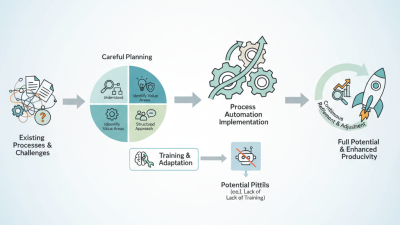
Process automation technology is revolutionizing industries across China. This advancement can streamline operations, reduce costs, and enhance efficiency. Many companies have adopted these technologies to remain competitive. Automation helps minimize human errors, ensuring higher quality outcomes in manufacturing and service sectors.
As businesses in China embrace process automation technology, they face challenges. The integration can be complex and requires significant investment. Not all companies benefit equally. Smaller firms may struggle to implement these advanced systems. This disparity raises questions about equity in technology access.
Nevertheless, the long-term benefits appear promising. Enhanced productivity and faster response times can lead to improved customer satisfaction. Companies that effectively leverage process automation technology can gain a substantial market advantage. However, adapting to this shift is crucial for sustained growth and innovation.
Benefits of Increased Efficiency Through Process Automation in China
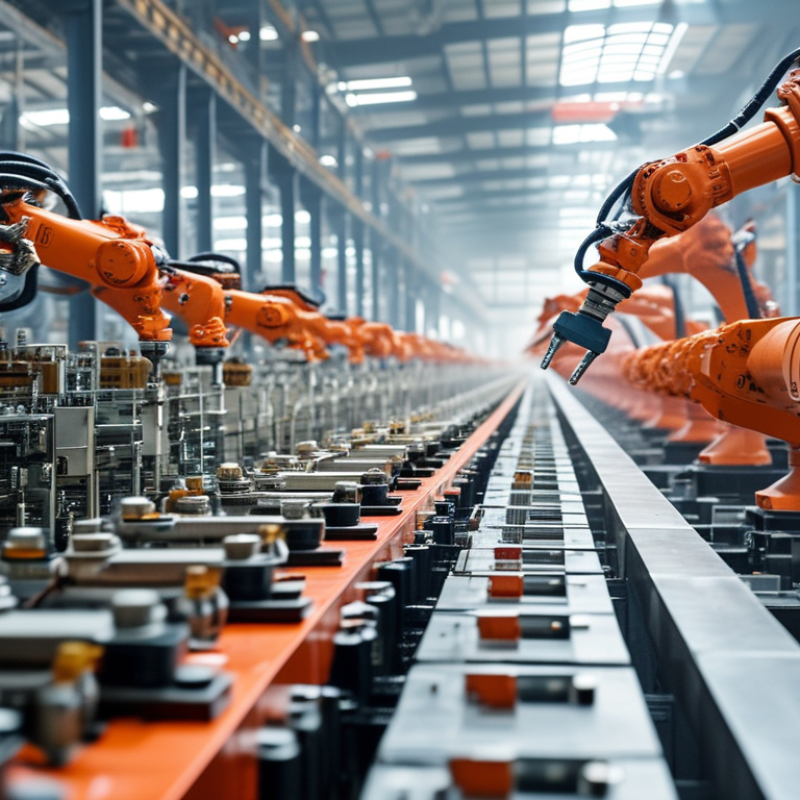
Process automation technology is transforming industries across China. Increased efficiency is one of the most notable benefits. A study by the China International Economic Exchange Center suggests that companies implementing automation can boost productivity by up to 40%. This significant enhancement in operational efficiency can help organizations save time and reduce costs.
In today’s competitive landscape, streamlining processes is crucial. Automation reduces human error and ensures tasks are completed consistently. For instance, in manufacturing, robotics can handle repetitive tasks, freeing human workers for more strategic roles. This not only improves output but also enhances job satisfaction among employees. A survey indicated that 57% of workers feel more engaged when technology assists in their tasks.
While automation brings numerous benefits, challenges exist. Organizations may face resistance from employees fearing job loss. It's essential to address these concerns and provide training opportunities. Encourage a culture of adaptation and continuous improvement. By embracing automation, companies can better position themselves for future growth in this fast-evolving marketplace.
Impact of Process Automation on Labor Productivity in Chinese Industries
Process automation technology is revolutionizing industries in China. By streamlining tasks, it boosts labor productivity dramatically. One significant impact is the reduction of manual errors. With machines handling repetitive processes, there's consistency in output quality. Workers can then focus on higher-value tasks, which can enhance creativity and innovation.
However, the integration of automation isn't without challenges. Many workers feel insecure about their job prospects. This fear can lead to resistance against technology adoption. Addressing these concerns through training and upskilling is essential. Companies should create clear pathways for their employees to adapt to new roles.
Effective implementation of process automation requires a strategic approach. Emphasizing communication within teams can ease transitions. Managers should involve employees in discussions about changes. This involvement fosters a culture of acceptance, rather than fear. In this evolving labor landscape, it’s crucial to balance efficiency with the welfare of the workforce.
Cost Reduction Achieved Through Automation Technologies in Manufacturing
In recent years, process automation technology has emerged as a transformative force in China's manufacturing sector. According to a report by the International Federation of Robotics, the adoption of industrial robots in China has surged by over 30% annually since 2015. This increase highlights the industry’s commitment to enhancing operational efficiency. Companies are increasingly turning to automation to tackle challenges such as rising labor costs and unpredictable supply chains.
Cost reduction is a key advantage provided by automation technologies. A study from McKinsey reveals that companies implementing automation can reduce operational costs by up to 30%. By minimizing manual labor, organizations also mitigate human error, leading to consistently higher product quality. However, not all companies have embraced this transition smoothly. Many have faced hurdles, including the initial investment in technology and the need for employee retraining.
While automation promises cost efficiency, it also raises questions about workforce displacement and skills gaps. A report by the World Economic Forum indicates that up to 75 million jobs could be displaced worldwide by 2025 due to automation. This potential for job loss complicates the narrative around cost reduction. Companies must balance operational improvements with the ethical implications of workforce impacts.
Enhancing Quality Control: Role of Automation in Chinese Supply Chains
Automation technology is transforming the quality control processes within Chinese supply chains. By integrating automated systems, companies enhance accuracy in inspections. This focus minimizes human error, leading to higher product quality. Efficiency gains are notable, as machines can operate continuously, unlike human workers. This aspect allows for quicker turnaround times, a crucial parameter in robust supply chains.
Not all automation implementations are flawless. Some organizations face challenges such as resistance from employees. Quick adaptation to new systems may not always happen seamlessly. Furthermore, the initial investment in technology can be substantial. It requires careful analysis to determine cost-effectiveness over time. A thoughtful approach helps mitigate these issues.
Quality control through automation also relies on data analysis. Automated systems often collect and analyze performance data in real-time. This information is vital for identifying trends and areas for improvement. As a best practice, organizations should remain flexible and open to refining their processes. This ongoing evolution is key to maintaining a competitive edge in the marketplace.
Benefits of Process Automation Technology in China
Data-Driven Decision Making: Automation's Influence on Business Operations
Data-driven decision making is transforming businesses across China. Automation technology plays a crucial role in this evolution. By utilizing advanced algorithms and data analytics, companies can streamline operations. This leads to quicker, more informed decisions that impact every level of the organization.
For instance, an automated inventory management system can provide real-time data. This information allows managers to anticipate stock shortages or surpluses. However, relying solely on automation is not without challenges. Companies must remain aware of the need for human oversight. A purely automated system may overlook nuances in market trends or customer behavior.
The real power of process automation lies in its ability to enhance existing decision-making frameworks. It offers insights that might be missed through traditional methods. Yet, businesses must ensure they interpret data correctly. Misreading automated reports can lead to misguided strategies. Companies should cultivate a culture of critical thinking to complement automation, ensuring that technology and human insight work hand in hand.