How to Choose the Right Bus Handrail Tubing for Your Needs?
Choosing the right Bus Handrail Tubing can significantly impact safety and comfort. Expert Emily Green, a leading authority in public transportation design, emphasizes, "The right handrail not only supports safety but enhances passenger experience." Selecting appropriate materials and dimensions is vital.
When evaluating Bus Handrail Tubing, consider factors like durability, ease of installation, and maintenance. Materials such as stainless steel offer strength and resistance to corrosion. However, they may also add weight. Lightweight options like aluminum provide ease of handling but may lack the sturdiness of heavier materials.
It's essential to balance these features against cost and specific needs. Reflecting on past choices can guide future decisions. Therefore, prioritizing reliable sources and expert opinions can lead to a better outcome. Adapting to new technologies and materials in the industry is also crucial for optimal results.
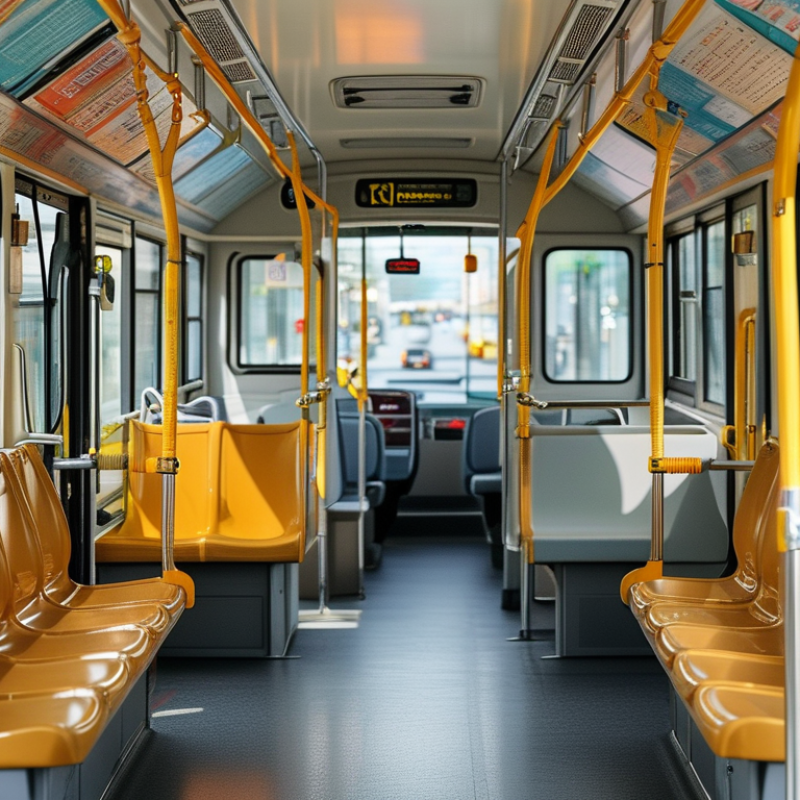
Factors to Consider When Selecting Bus Handrail Tubing Materials
Choosing the right handrail tubing for buses involves understanding various essential factors. One key aspect is the material. Common choices include stainless steel, aluminum, and plastic. According to industry data, stainless steel offers high durability and corrosion resistance, making it ideal for high-traffic environments. Aluminum, while lighter, may not hold up as well under extreme conditions.
When selecting handrail tubing materials, consider the demographics of your passengers. Reports show that cities with a higher percentage of elderly riders benefit from handrails that provide a better grip. Regarding safety, tubing with a diameter between 1.25 and 1.5 inches is often recommended. This size ensures maximum safety for diverse users.
Tip: Always verify compliance with local safety regulations when choosing materials. Outdated tubing can lead to liability issues.
Additionally, think about the aesthetic aspect. A well-designed handrail can enhance the overall appeal of your bus. However, maintaining a balance between functionality and appearance is crucial. A common pitfall is focusing solely on looks, leading to inadequate support for passengers during transit. Aim for materials that blend durability with design.
How to Choose the Right Bus Handrail Tubing for Your Needs?
| Material | Durability | Weight | Cost | Corrosion Resistance | Aesthetic Appeal |
| Stainless Steel | High | Moderate | $$$ | Excellent | Sleek |
| Aluminum | Moderate | Lightweight | $$ | Good | Modern |
| Plastic | Low | Very Light | $ | Fair | Varied |
| Fiberglass | High | Lightweight | $$$ | Excellent | Customizable |
| Carbon Steel | Moderate | Heavy | $$ | Poor | Standard |
Common Materials Used for Bus Handrails: Pros and Cons
When selecting bus handrail tubing, understanding common materials is essential. Aluminum is a popular choice. It's lightweight and corrosion-resistant. Maintenance is minimal, making it a reliable option for many buses. However, aluminum may bend under heavy pressure. This could affect safety if not monitored regularly.
Stainless steel is another common material. It offers durability and strength. The resistance to rust is a significant advantage. Yet, stainless steel can be heavier and may require more robust mounting systems. Users have sometimes noted its cold feel in winter. This factor can impact comfort for passengers.
Lastly, plastic handrails are becoming more prevalent. They are often cheaper and available in various colors. While they resist corrosion, they may not withstand heavy use. Planning for regular replacements could be necessary. Each material carries its unique strengths and weaknesses. A careful assessment of your specific needs is crucial for making the best choice.
Industry Standards for Bus Handrail Dimensions and Safety Regulations
When selecting bus handrail tubing, understanding industry standards is crucial. Dimensions must align with safety regulations to ensure passenger security. Handrails should be easy to grip and positioned correctly for safety. The diameter is often standardized at around 32 mm. This size provides comfort while maintaining a firm hold.
Safety regulations outline strength requirements for handrail materials. They must withstand significant force without bending. Tubing made from durable materials, like aluminum or stainless steel, is typically recommended. However, not all options present the same quality. It’s essential to ensure they have been tested against industry benchmarks.
Installation practices also matter. Proper alignment and secure attachment to the bus structure are vital. An improperly installed handrail can lead to serious accidents. Regular inspections and maintenance are necessary to uphold safety standards over time. It’s easy to overlook these details, yet they are fundamental for reliable transport safety.
Impact of Handrail Design on Passenger Safety and Accessibility
When evaluating the handrail design for bus applications, several critical factors must be considered. The choice of materials, grip texture, and overall height can significantly affect passenger safety and accessibility. According to the National Highway Traffic Safety Administration (NHTSA), over 12,000 injuries from bus accidents occur annually, highlighting the need for effective handrail solutions. A well-designed handrail can reduce these incidents by providing secure support during sudden stops or sharp turns.
Ensuring that handrails are ergonomically designed can enhance accessibility for people with disabilities. Research shows that approximately 15% of the global population has some form of disability, necessitating thoughtful design. For optimal safety, the handrail should be positioned at a height that accommodates users of varying heights and physical abilities. Additionally, materials should offer both durability and slip resistance to prevent accidents.
Tips: Consider using textured finishes for better grip. Regularly inspect handrails for wear and tear. Gather passenger feedback on handrail usability to continually improve designs.
Maintenance and Durability Considerations for Bus Handrail Tubing
When choosing bus handrail tubing, maintenance and durability are vital aspects to consider. The choice of materials affects not only safety but also long-term performance. According to industry reports, aluminum and stainless steel are among the most recommended materials for bus handrails. Aluminum is lightweight and resistant to corrosion, making it a popular choice. Stainless steel, while heavier, provides superior strength and rigidity in high-traffic buses.
Regular maintenance practices can extend the life of handrail tubing significantly. A study found that neglecting regular cleaning can lead to a 30% reduction in durability over time. Simple tasks like checking for loose fittings and corrosion signs can help detect issues early. While many choose to ignore these aspects due to tight schedules, overlooking them can result in greater repair costs in the long run.
Environmental factors also impact the durability of handrail tubing. For instance, exposure to varying weather conditions can lead to wear and tear. Moisture can cause rust in metal tubing, while UV rays can degrade plastic materials. Periodically assessing these conditions is crucial. These reflections remind us that proactive maintenance is often more beneficial than reactive repairs. Balancing cost and safety is a challenge.