How to Choose the Right Thermal Shock Test Chamber?
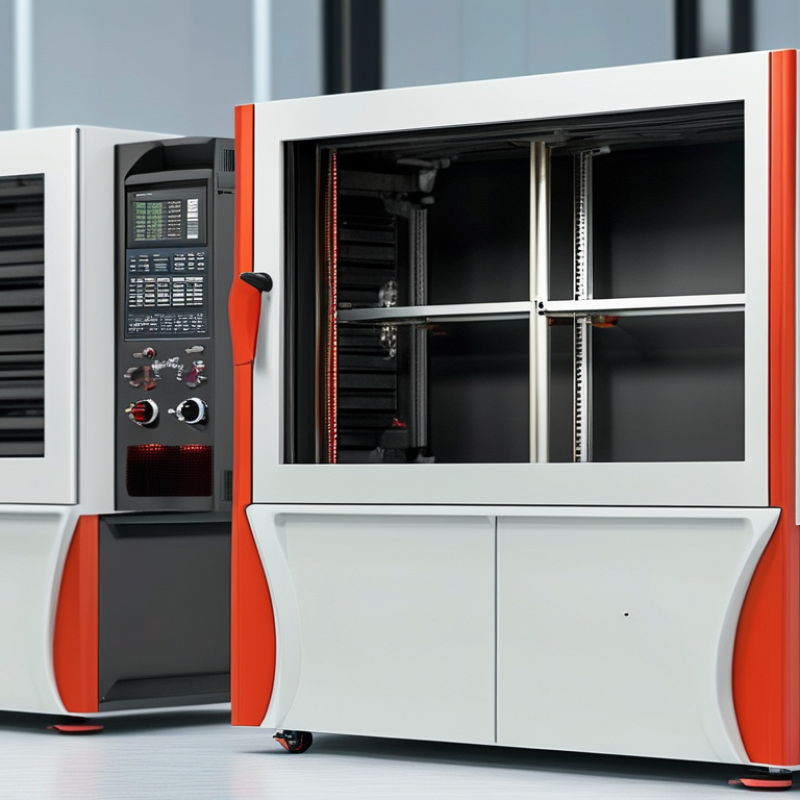
Choosing the right Thermal Shock Test Chamber can significantly impact your testing outcomes. Dr. Emily Stanton, an expert in thermal testing technology, emphasizes, "The right chamber can reveal material weaknesses before they become issues."
Understanding the specific requirements is crucial for any organization. Factors like temperature range, chamber size, and control features matter. A well-suited Thermal Shock Test Chamber not only expedites the testing process but also enhances accuracy.
While many companies rush into purchasing, it's essential to reflect on the long-term needs. Evaluate your testing goals and budget. Sometimes, a less feature-rich model may suit your purpose better. The decision requires careful thought to ensure your investment pays off in reliability and precision.
Understanding Thermal Shock Testing and Its Importance
Thermal shock testing is a crucial process in assessing material durability. This testing simulates extreme temperature changes a product may face. By exposing items to rapid heating and cooling, manufacturers can identify weaknesses. These insights help improve product reliability.
It's essential to choose the right thermal shock test chamber for accurate results. Chamber size, temperature range, and cooling rate all impact testing effectiveness. A well-designed chamber ensures uniform temperature distribution. Inconsistent temperatures can lead to misleading results. Consider the space and power requirements carefully.
Pay attention to the testing standards relevant to your industry. Understanding these benchmarks is vital for proper evaluation. Always document the testing process. This data will assist in refining future tests. Or it may highlight areas requiring improvement. Recognizing when a chamber underperforms can save time and resources in the long run.
Temperature Variation in Thermal Shock Testing
Key Factors to Consider When Selecting a Thermal Shock Test Chamber
Choosing the right thermal shock test chamber requires careful consideration of several factors. Temperature range is crucial. Different materials react uniquely to temperature changes. Ensure the chamber accommodates the specific ranges your testing requires.
Consider the size and load capacity. Larger items may need more space for proper testing. Verify that the chamber can handle the weight of your samples. Material compatibility is also important. Certain chambers may not be suitable for all substances, which can lead to inaccurate results.
When evaluating the controller and software, ease of use becomes a key factor. A complex interface can slow down testing and increase errors. Look for chambers with user-friendly controls.
Tips for making the right choice include assessing your long-term testing needs. This can prevent the necessity of future upgrades. Regular maintenance checks are also essential. Neglecting this can lead to poor performance and inaccurate results. Reflect on the past requirements and adapt as necessary.
Types of Thermal Shock Test Chambers and Their Applications
When choosing a thermal shock test chamber, understanding the types available is crucial. There are mainly two types: single zone and dual zone chambers. Single zone chambers expose samples to extreme temperatures but do not cycle. They are suitable for materials that are tolerant to temperature changes. Dual zone chambers provide a more dynamic testing environment. They alternate between hot and cold extremes, simulating real-life conditions more accurately.
The applications for these chambers vary widely. Aerospace components benefit from dual zone testing to ensure durability under pressure. Electronics manufacturers often use single zone chambers for less complex components. However, these setups can sometimes be inadequate. They may not address specific thermal stresses experienced in real-life scenarios.
As a result, users must consider their specific testing standards and potential limitations in the performance of their chosen chamber. Understanding your needs helps avoid costly experiments. Ask yourself if the chamber meets your product requirements. Testing cycles should reflect real-world conditions as closely as possible. Often, companies overlook this, leading to unrepresentative results. An informed decision ensures the reliability of your testing process and ultimately enhances product performance.
Evaluating Chamber Features: Capacity, Temperature Range, and Precision
When selecting a thermal shock test chamber, focusing on its features is vital. The capacity of the chamber determines the size of the samples you can test. A larger chamber accommodates bigger components but may lead to longer thermal stabilization times. Balancing size with your testing needs is essential. Inadequate capacity can result in ineffective testing, as smaller units may struggle to replicate the desired shock effects on larger parts.
Temperature range is another critical factor. The ideal chamber must support the temperatures required for your specific testing protocols. Some materials can only withstand certain ranges. If your chamber cannot reach these temperatures quickly, the tests might yield inaccurate results. Precision in temperature control ensures consistency across test cycles. Calibration is crucial, as even slight discrepancies can affect your data reliability.
Precision isn’t just about reaching temperatures but maintaining them. Thermal gradients within the chamber must be minimal. If temperature uniformity is lacking, it can lead to misleading conclusions about material performance. Regular inspections and recalibrations help address these issues but require diligence. Investing time in understanding these features will improve your testing outcomes and safeguard the integrity of your evaluation processes.
Budget Considerations and Long-Term Maintenance for Thermal Shock Chambers
When selecting a thermal shock test chamber, budget considerations play a significant role. The initial cost is often a key factor, but it shouldn't be the only one. Cheap options may save money upfront, yet they can lead to higher long-term costs. Maintenance expenses can pile up if the chamber is not durable or reliable. Identifying the total cost of ownership is critical.
Long-term maintenance will impact your budget considerably. Regular upkeep ensures the chamber runs efficiently and produces reliable results. Some units require specialized parts which can be expensive. It's wise to research availability and price of replacement components. Additionally, consider the cost of training staff for proper operation. Misuse due to lack of knowledge can lead to costly repairs and extend downtime.
Having a comprehensive maintenance plan can enhance the longevity of your equipment. Ignoring these factors can result in unexpected issues. Ultimately, the right chamber should balance initial investment with anticipated maintenance, aligning with your operational goals. Consider future expansion or a changing workload that may affect your needs.
How to Choose the Right Thermal Shock Test Chamber?
| Parameter | Consideration | Estimated Cost Range | Maintenance Frequency | Lifespan |
| Temperature Range | Wide range for versatile testing | $5,000 - $30,000 | Annually | 10 - 15 years |
| Size | Appropriate for test samples | $3,000 - $20,000 | Semi-Annually | 10 - 12 years |
| Cooling Rate | Rapid cooling for efficient testing | $4,000 - $25,000 | Monthly | 8 - 10 years |
| Control System | User-friendly interface and software | $2,500 - $15,000 | Annually | 10 years |
| Warranty | Coverage for repairs and replacement | $1,000 - $5,000 | As needed | 5 - 7 years |