Why Are Control Systems Essential for Modern Technology?
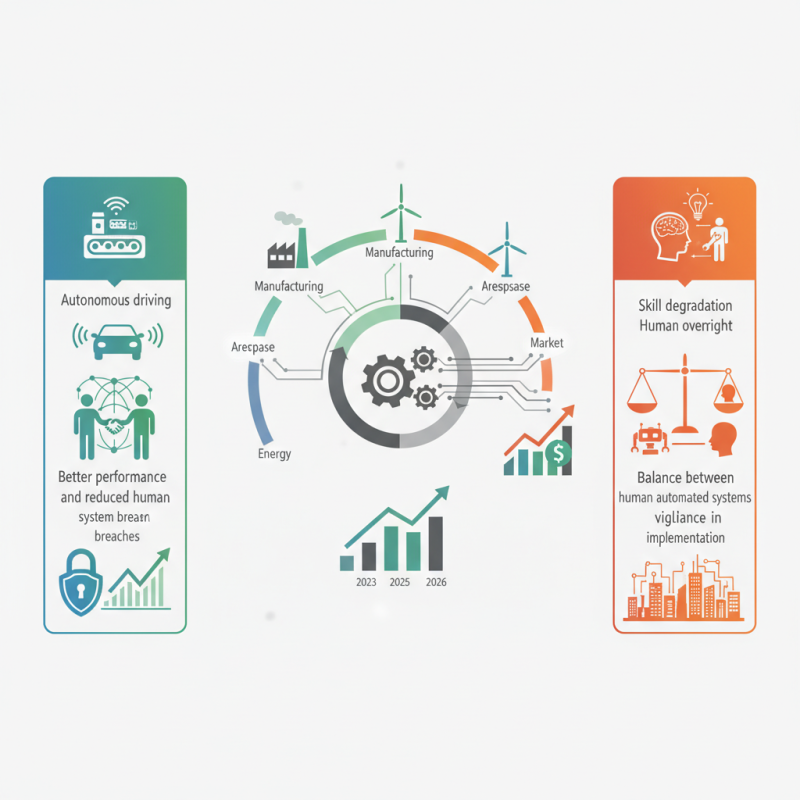
Control systems are vital in today's technology landscape. They streamline operations and enhance efficiency across various sectors. According to a report by Markets and Markets, the global control systems market is projected to reach $24.4 billion by 2026. This growth signifies a rising dependency on automation and precision in industries such as manufacturing, aerospace, and energy.
The integration of control systems leads to better performance and reduced human error. For instance, in the automotive industry, advanced control systems enable autonomous driving features. However, reliance on these systems raises concerns about cybersecurity and system failures. The 2021 Ponemon Institute report indicated that control system breaches have increased by 30% in the last year. These statistics highlight the importance of securing control systems while leveraging their benefits.
Despite their advantages, we must reflect on the potential downsides. Over-dependence on automated systems may lead to skill degradation among workers. As technology evolves, a balance between human oversight and control systems is critical. The future of modern technology will heavily rely on innovative control systems, but vigilance in implementation is necessary.
The Definition and Fundamentals of Control Systems
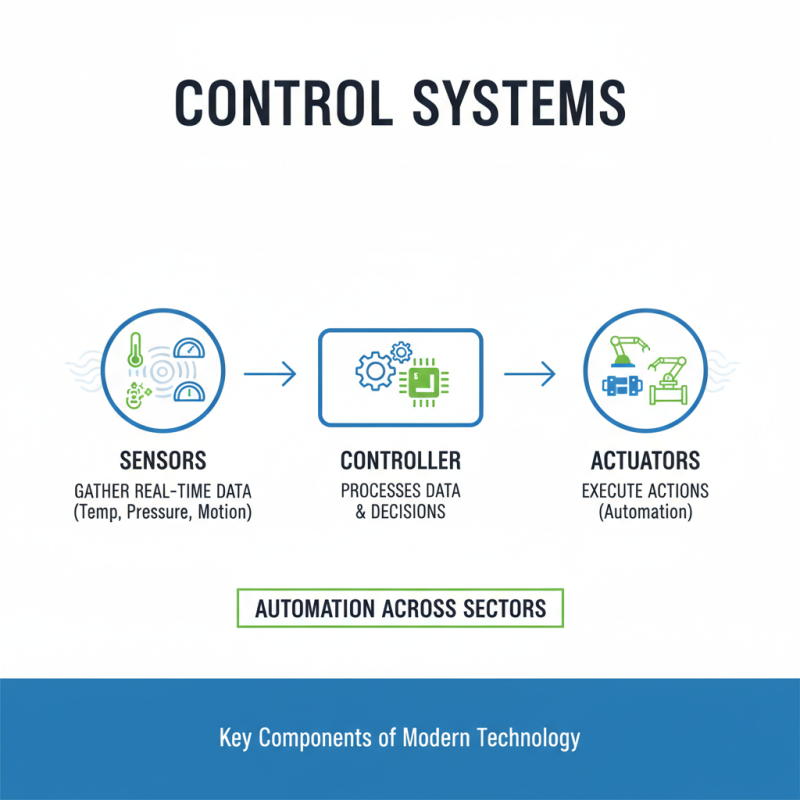
Control systems are integral to modern technology. They manage and regulate the behavior of devices and processes. A control system consists of sensors, controllers, and actuators. Sensors gather information about a system, while controllers make decisions. Actuators carry out those decisions, impacting the physical world. This interaction forms a feedback loop, allowing continuous adjustment.
In practice, these systems can be simple or complex. For example, a thermostat adjusts temperature by monitoring and controlling a heating system. It receives signals, compares them to a set point, and makes necessary adjustments. However, not all control systems operate perfectly. They may encounter unexpected disturbances or delays. This can lead to inefficiencies and require further tuning.
Challenges in control systems also arise in more advanced applications, like robotics. Complex algorithms are essential for precise movements. Yet, even the best algorithms can fail due to environmental changes. Reflection is necessary to improve these systems. It reminds engineers that challenges can reveal new opportunities for innovation. Understanding the fundamentals allows us to push technology forward.
Historical Evolution of Control Systems in Technology
Control systems have undergone significant evolution over time. In the early days, basic mechanical systems were used. These systems were limited, often relying on manual inputs and simple feedback loops. Engineers faced challenges in precision and reliability. The need for more advanced solutions became apparent.
As technology progressed, electrical and electronic systems emerged. These systems introduced automation and enhanced control. During the industrial revolution, the importance of control systems became undeniable. Factories operated more efficiently, but there were hiccups. Systems occasionally failed due to a lack of understanding.
With the advent of computers, control systems transformed once again. Digital control became the norm. Complex algorithms began to dominate the field. Yet, even with these advancements, challenges remained. Systems can still be difficult to design. Users need to navigate the balance between complexity and usability.
Key Components and Functions of Modern Control Systems
Control systems are pivotal in today’s technology landscape. They facilitate automation across various sectors. At the core of these systems lie three essential components: sensors, controllers, and actuators. Sensors gather real-time data, often influenced by environmental changes. They detect temperature, pressure, and movement. This raw data is fed to the controller, which interprets and processes it.
The controller makes decisions based on predefined algorithms. It issues commands to the actuators, which execute the physical actions. These interactions enable smooth operations in automotive systems, industrial machinery, and smart home devices.
However, modern control systems are not flawless. Calibration challenges can lead to inaccuracies. Feedback loops might lag, causing delays. It’s crucial to regularly assess system performance. Fine-tuning is necessary for optimal functionality. Continuous improvement can help identify these shortcomings. Technology is impressive but ever-evolving.
Applications of Control Systems in Various Industries
Control systems play a crucial role in various industries today. In
manufacturing, they manage complex processes. For instance, automated
assembly lines rely on precise control to maintain efficiency. Sensors track performance, while feedback loops adjust machinery.
This ensures products are made consistently and accurately.
In the energy sector, control systems monitor and optimize power generation. They balance
supply and demand in real time. Renewable energy sources like wind and
solar also benefit from these systems. However, challenges remain. Integration
with traditional grids can be complicated. Fluctuations in energy production require constant adjustments.
Transportation is another field that has transformed through control technology. Modern
vehicles use control systems for navigation and safety. Anti-lock braking systems prevent skidding. But technology's reliance on
data raises concerns. Cybersecurity risks loom large as vehicles connect
more to networks. Effective control systems must not only improve efficiency but also address these vulnerabilities.
The Impact of Control Systems on Technological Advancements
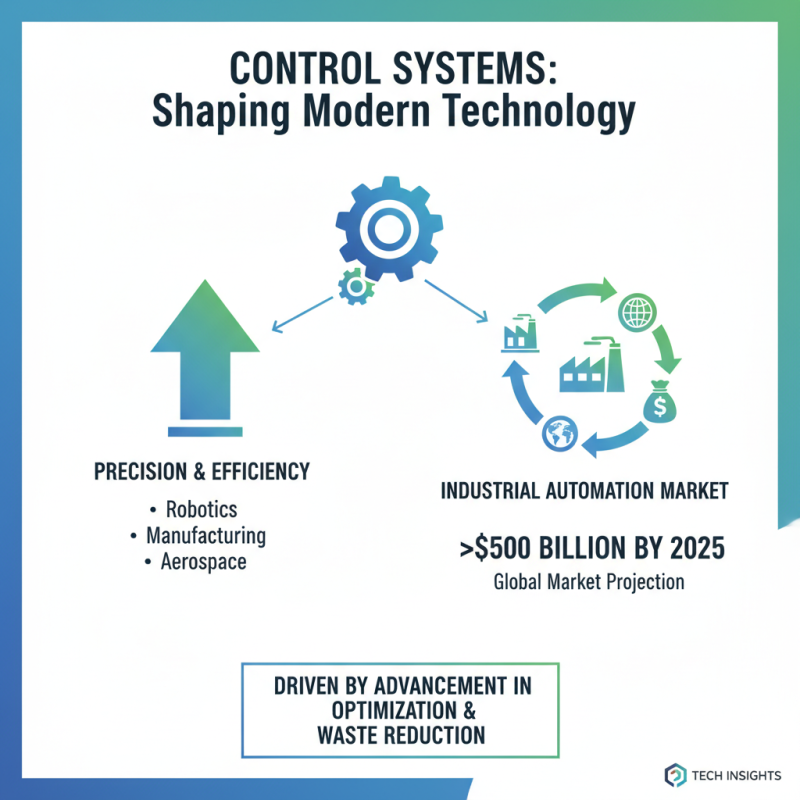
Control systems have transformed modern technology in profound ways. They enable precision and efficiency across various industries. For instance, an analysis from a leading research firm indicates that the global market for industrial automation is projected to reach over $500 billion by 2025. This surge is driven by advancements in control systems that optimize processes and reduce waste.
In manufacturing, control systems monitor production lines with remarkable accuracy. They reduce downtime and improve product quality. A report suggests that companies employing advanced control techniques reported a 20% increase in operational efficiency. Nonetheless, challenges remain. Many businesses struggle to integrate new technologies seamlessly. Implementing these systems can require significant investment and training, which may deter smaller firms.
In the realm of transportation, control systems improve safety and reliability. Automated traffic systems, for example, use real-time data to manage vehicle flow. This can decrease congestion and lower accident rates. However, reliance on technology can lead to vulnerabilities. Cybersecurity threats to control system networks are real. Many organizations need better strategies to protect their systems from potential breaches.