
10 Essential Tips for Choosing the Best Automation Services?

In today's rapidly evolving business landscape, automation services are becoming increasingly essential. According to a recent report by McKinsey, nearly 70% of tasks can be automated using currently available technology. This shift allows companies to enhance efficiency and reduce operational costs. However, selecting the right automation services can be daunting.

Many businesses overlook critical factors during their selection process. In doing so, they may end up with solutions that don't fit their needs. A study by Forrester found that 30% of organizations regret their automation investments due to poor alignment with their goals. Precision and strategic alignment are crucial in this competitive market. Companies should seek automation services that not only offer functionality but also promise scalability and adaptability for future demands.

Understanding your specific requirements is vital. Different providers offer varied features and support options. As businesses embrace automation, reflecting on past challenges can guide better decision-making. Automation should streamline operations, not complicate them. Evaluating potential providers is essential for finding a service that complements your business strategy.

10 Essential Tips for Choosing the Best Automation Services?

Understanding the Importance of Automation Services in Modern Business
10 Essential Tips for Choosing the Best Automation Services?

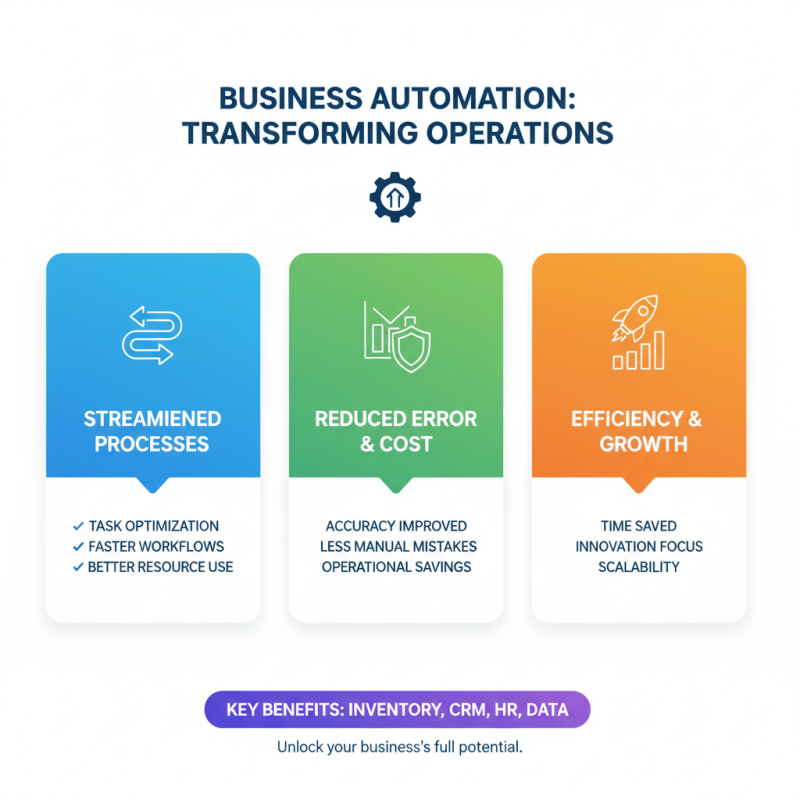
Automation services have transformed the way modern businesses operate. They streamline processes, reduce human error, and can boost overall efficiency. In today's fast-paced environment, companies cannot afford to overlook these benefits. Every minute saved in repetitive tasks can be redirected toward innovation and growth. Automation offers solutions that can handle everything from inventory management to customer service inquiries.

However, choosing the right automation service provider requires careful consideration. Many services may promise the world but fail to deliver. It’s crucial to assess their reliability and customer support. Some businesses may have unrealistic expectations. They may expect automation to fix all issues overnight. This mindset can lead to disappointment when results don't match the hype.

Understanding your specific needs is essential. Not every automation service suits every business model. You must analyze your workflow, identify repetitive tasks, and determine priority areas. It can be tempting to jump on the latest trend. Yet, if the chosen solution doesn't align with your goals, it may become a burden. Embracing automation should enhance your operations, not complicate them. Therefore, reflection on your unique requirements is vital for success.

Identifying Your Business Needs for Automation Solutions

When identifying your business needs for automation solutions, clarity is key. Start by evaluating the tasks that consume most of your time. Consider which processes could benefit from streamlining. Documenting these tasks helps prioritize what matters most. Not every task requires automation. Some may need human insight or critical thinking. Reflecting on this can save you resources.

Next, analyze the pain points. Are there repetitive tasks that drain your team's energy? Is there a bottleneck in your workflow? Knowing these issues guides you in choosing the right automation services. Share these insights with your team to gather diverse perspectives. This can lead to discovering needs you hadn't considered.

Think about your future goals. What does your business aim to achieve in the next few years? Align your automation choices with these objectives. Be prepared for adjustments along the way. Sometimes, what seems necessary might not yield the expected results. Remain open to reevaluating your automation strategy as your business evolves.

10 Essential Tips for Choosing the Best Automation Services

Tip Number Tip Description Considerations Benefits
1 Identify Your Business Goals Understand what you want to achieve with automation. Aligns automation with strategic objectives.
2 Evaluate Current Processes Analyze existing workflows to identify inefficiencies. Improves understanding of automation needs.
3 Research Automation Solutions Look into various automation tools available in the market. Facilitates informed decision-making on tools.
4 Consider Scalability Ensure the solution can grow with your business. Prepares for future business expansion.
5 Check Integration Capabilities Ensure compatibility with existing systems. Smoother transitions and operations.
6 Evaluate Vendor Support Assess the level of customer support from vendors. Ensures you have assistance when needed.
7 Consider User Experience Evaluate how user-friendly the solution is. Greater adoption rates among employees.
8 Assess Security Features Ensure data protection measures are in place. Ongoing protection against data breaches.
9 Look for Customization Options Check how much you can tailor the solution to your needs. Ensures the solution meets specific requirements.
10 Analyze Cost vs. ROI Calculate the potential return on investment for the automation. Ensures financial feasibility of the solution.

Evaluating the Features and Capabilities of Automation Tools

When evaluating automation tools, understanding their features is crucial. A recent report found that 70% of businesses cite increased efficiency as a top benefit of automation. However, depth of features varies significantly among tools. Some platforms may offer basic functions, while others provide advanced capabilities like AI-driven insights.

Flexibility is another important aspect. A tool that integrates well with existing systems is vital. Studies indicate that seamless integration can boost productivity by up to 25%. It’s also essential to assess the user interface. A complicated interface can hinder adoption. Simplicity often leads to better user engagement.

Many tools promise comprehensive solutions but may fall short in practice. Businesses should scrutinize case studies and user reviews. Sometimes, features are overhyped. Investing in a tool that lacks the necessary capabilities can be a costly mistake. Reflecting on past experiences with automation can provide valuable lessons for making the right choice.

Automation Services Feature Comparison

Comparing Pricing Models and Service Levels of Different Providers

When comparing pricing models and service levels of automation providers, it's essential to do thorough research. A report from McKinsey states that automation can reduce operational costs by 20% to 30%. However, not all providers offer the same pricing structure. Some may charge a flat rate, while others adopt a pay-per-use model. Understanding these differences can shape your budgeting strategy.

Service levels often correlate with pricing. A higher-tier service may provide priority support and extensive customization options. However, the value may not be worth the steep price for smaller businesses. For example, a Gartner study reveals that 70% of companies believe they overpay for automation due to underestimating their needs. Transparency in service offerings is crucial.

Many automation services offer tiered pricing with different features. You might find entry-level packages that are affordable but limited in functionality. Mid-tier options may balance cost with essential features, while premium levels ensure robust support. Make sure to assess what your organization truly needs, as dowing from a high-level plan sometimes becomes necessary.

Researching Vendor Reputation and Customer Reviews Before Choosing

When selecting automation services, researching vendor reputation is critical. Customer reviews can provide valuable insights into the reliability and effectiveness of a service provider. Look for reviews on independent platforms, as they often reflect genuine experiences. Pay attention to both positive and negative comments. They reveal strengths and weaknesses.

One tip is to focus on the context of reviews. A five-star rating from a large company might differ greatly from feedback given by a small startup. Differences in needs can lead to different experiences. Also, consider the frequency of similar comments. If many users mention a specific issue, it deserves reflection.

Another essential aspect is verifying responsiveness. A vendor with good reviews might still be slow in handling queries. Check how quickly they respond to inquiries. Fast replies can indicate a commitment to customer service. However, don’t settle for a vendor that looks good on paper but fails in real interactions. Balancing reputation with actual service quality is key.