Industrial control systems (ICS) play an essential role in today’s manufacturing landscape. According to a 2022 report by the International Society of Automation, over 70% of industrial operations rely on ICS for efficient processes. These systems enable operators to manage production, monitor performance, and ensure safety. Yet, as dependency increases, vulnerabilities emerge. Cybersecurity threats targeting ICS have surged by 40% in the last year.
Dr. Emily Roberts, a renowned expert in automation, emphasizes the gravity of these systems: "Without robust industrial control systems, industries risk operational failure and security threats." This highlights the urgent need for secure and reliable ICS. Failure to address these vulnerabilities can lead to significant disruptions. Organizations should invest in both technology and training to enhance their ICS resilience. Balancing innovation with security remains a challenge.
In an ever-evolving industrial sector, the importance of ICS cannot be overstated. They are critical, yet they require attention and investment. Understanding and improving these systems is vital for success. The industry must reflect on its practices to build a safer, more efficient future.

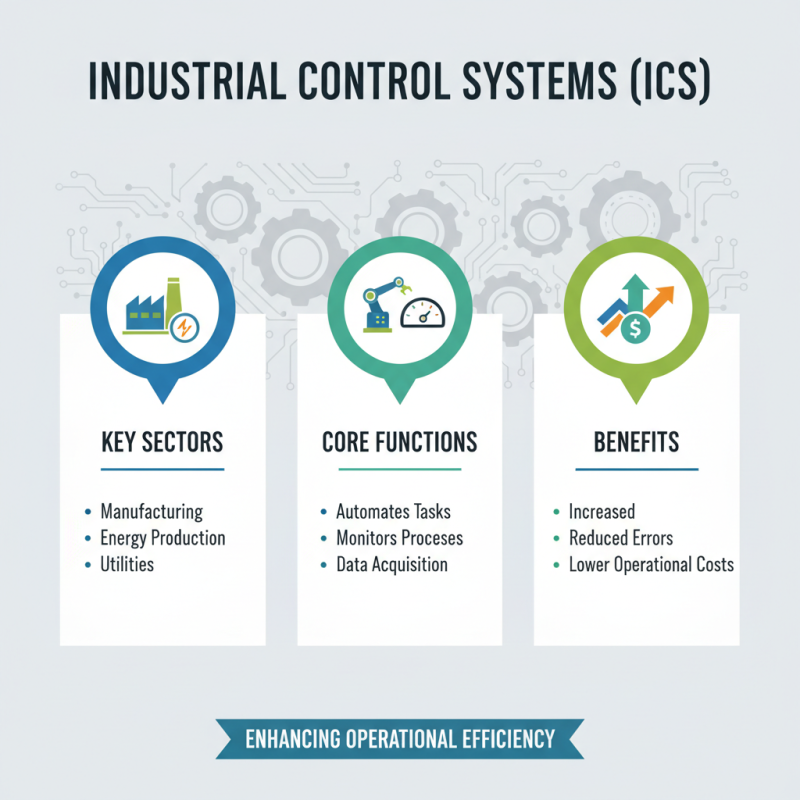
Industrial Control Systems (ICS) play a vital role in enhancing operational efficiency across various sectors. These systems manage critical processes in manufacturing, energy production, and more. By automating tasks, they reduce manual errors and increase speed. For industries, this translates to higher productivity and lower costs.
However, implementing ICS is not without challenges. Organizations often face integration issues. Legacy systems might not communicate well with newer technologies. This can lead to data silos, causing inefficiencies. Seamless integration is key to unlocking the full potential of ICS.
**Tip:** Prioritize training for your team. Understanding the systems can prevent operational hiccups. Regularly update protocols to adapt to new technologies.
Organizations should also monitor performance constantly. Monitoring helps identify issues before they escalate. It’s easy to overlook small glitches that can snowball. Regular maintenance is essential to keep systems running smoothly.
**Tip:** Schedule routine system audits. These audits can pinpoint areas needing improvement. Small adjustments can lead to significant gains in efficiency.
Industrial Control Systems (ICS) are vital in today’s manufacturing and production environments. They help manage machinery and processes. However, the technologies that drive their advancement are equally important. Key innovations in automation, data analysis, and cybersecurity are reshaping these systems.
Automation technologies, like robotics and smart sensors, enhance efficiency. They reduce human error and increase productivity. Smart sensors provide real-time data about operational conditions. This data allows for quick adjustments and minimizes downtime. Yet, the reliance on automation can lead to vulnerabilities. If not managed correctly, these systems may fail or be sabotaged.
Data analytics tools also play a crucial role. They allow industries to analyze vast amounts of data quickly. With this insight, companies can anticipate issues and improve their operations. However, overreliance on analytical tools may overlook significant anomalies. Businesses must maintain a balance between human oversight and automated processes. Finally, cybersecurity measures are essential. Protecting ICS from cyber threats is critical, yet many systems lack adequate security. Ensuring robust protection requires continuous evaluation and improvement.
| Technology | Description | Key Benefits | Applications |
|---|---|---|---|
| IoT Integration | Integration of Internet of Things devices into control systems for real-time data monitoring. | Enhanced real-time insights, predictive maintenance, and improved efficiency. | Manufacturing, Energy Management |
| Edge Computing | Processing data closer to the source rather than relying solely on cloud-based solutions. | Reduced latency, increased speed of decision-making, and lower bandwidth costs. | Smart Factories, Automotive |
| Artificial Intelligence | Utilization of AI algorithms for predictive analysis and decision-making processes. | Increased operational efficiency, enhanced safety, and automation of complex tasks. | Quality Control, Robotics |
| Cybersecurity Solutions | Technologies designed to protect industrial networks from cyber threats. | Improved security posture, reduced risk of data breaches, and compliance with regulations. | Energy Sector, Critical Infrastructure |
| Advanced Analytics | Use of big data analytics to derive actionable insights from operational data. | Optimized performance, reduced operational costs, and enhanced decision-making. | Logistics, Supply Chain Management |
Industrial Control Systems (ICS) play a pivotal role in ensuring safety and reliability across various sectors. These systems manage critical infrastructure, such as power grids and water treatment facilities. They interact with physical processes, monitoring and controlling them in real-time. Many industries depend on ICS for seamless operation. Any malfunction could lead to significant risks.
The impact of ICS on safety metrics is profound. They help prevent accidents by detecting anomalies before they escalate. For instance, if a sensor indicates a temperature spike, the system can automatically shut down equipment. This quick response can save lives and reduce damage. However, not all systems are foolproof. There are vulnerabilities that can be exploited. Regular assessments are essential to identify and mitigate these risks.
Reliability is another key aspect of ICS. These systems must operate continuously, often in harsh environments. Downtime can result in financial losses and compromise safety. Yet, ensuring ongoing reliability is challenging. Aging infrastructure and outdated technologies can lead to failures. Embracing modernization and ongoing training is crucial for maintaining robust operational standards. Each oversight can serve as a learning experience for future improvements.
The integration of the Internet of Things (IoT) with Industrial Control Systems (ICS) is transforming modern factories. By 2025, it is estimated that there will be over 75 billion connected devices worldwide. This surge in connectivity enhances real-time monitoring and control. Factories can now gather data from multiple sources. This data-driven approach boosts operational efficiency and reduces downtime.
However, this integration is not without challenges. With increased connectivity comes heightened security risks. A 2022 report from a cybersecurity firm indicated that 39% of manufacturing companies experienced a cyber attack. Vulnerabilities in ICS may lead to significant disruptions. Therefore, securing these systems should be a priority for any factory owner.
Tips: Invest in robust cybersecurity measures for ICS. Regularly update your systems and conduct vulnerability assessments. Foster a culture of awareness among employees to recognize potential threats. Emphasizing security today can prevent costly disruptions tomorrow.
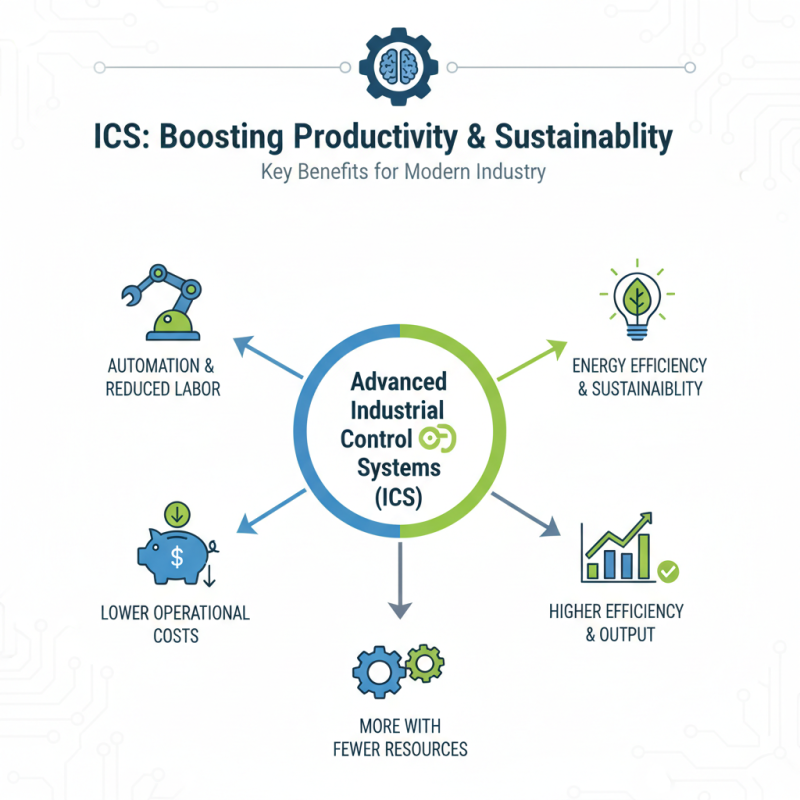
Advanced industrial control systems (ICS) play a pivotal role in enhancing productivity. By automating processes, they reduce the need for manual labor. This translates into lower operational costs and higher efficiency. Companies can achieve more with fewer resources. More efficient energy use is a notable benefit. This not only cuts costs but also supports sustainability initiatives.
Implementing these systems does present challenges. Initial setup costs can be significant. Training staff to operate new technologies is another hurdle. Cybersecurity risks must also be taken seriously. A single breach can lead to costly downtime. However, the long-term economic benefits often outweigh these initial drawbacks. Better data analysis enhances decision-making. Improved quality control leads to fewer defects and waste.
In a competitive market, those who adapt quickly gain an edge. As industries evolve, the need for smart solutions increases. Advanced ICS can drive growth and profitability. Embracing these innovations is not just a trend; it’s essential for future success.
| Cookie | Duration | Description |
|---|---|---|
| cookielawinfo-checkbox-analytics | 11 months | This cookie is set by GDPR Cookie Consent plugin. The cookie is used to store the user consent for the cookies in the category "Analytics". |
| cookielawinfo-checkbox-functional | 11 months | The cookie is set by GDPR cookie consent to record the user consent for the cookies in the category "Functional". |
| cookielawinfo-checkbox-necessary | 11 months | This cookie is set by GDPR Cookie Consent plugin. The cookies is used to store the user consent for the cookies in the category "Necessary". |
| cookielawinfo-checkbox-others | 11 months | This cookie is set by GDPR Cookie Consent plugin. The cookie is used to store the user consent for the cookies in the category "Other. |
| cookielawinfo-checkbox-performance | 11 months | This cookie is set by GDPR Cookie Consent plugin. The cookie is used to store the user consent for the cookies in the category "Performance". |
| viewed_cookie_policy | 11 months | The cookie is set by the GDPR Cookie Consent plugin and is used to store whether or not user has consented to the use of cookies. It does not store any personal data. |