What is Manufacturing Automation Software and How Can It Benefit You?
In today's fast-paced manufacturing landscape, the role of manufacturing automation software has become critical. Experts agree that this technology can transform how companies operate. According to Robert McKinney, a leading specialist in the industry, “Manufacturing automation software is not just a tool; it's a game-changer for efficiency and productivity.”
Embracing this software can streamline processes, reduce errors, and optimize production. Companies that implement it often see significant improvements. However, many still hesitate to adopt these solutions, fearing the complexity. It’s essential to reflect on the challenges that accompany this transition. Investing in training and change management is crucial.
The potential of manufacturing automation software is enormous, yet it requires careful planning. Without a strategic approach, businesses might face resistance from employees. Incomplete integration could lead to disruptions rather than improvements. Thus, understanding its impact is vital for long-term benefits.
What is Manufacturing Automation Software?
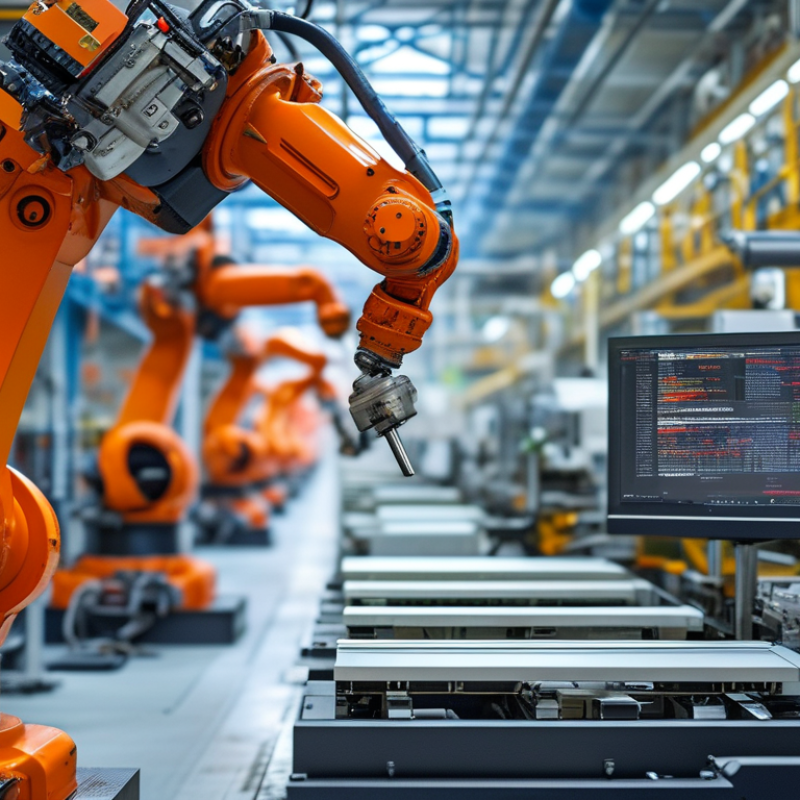
Manufacturing automation software is a powerful tool reshaping the manufacturing landscape. It integrates various manufacturing processes, enhancing productivity and efficiency. According to a report by McKinsey, automation can increase manufacturing productivity by 20-25% within a few years. This software streamlines workflows, allowing for a cohesive connection between design, production, and distribution.
With real-time data analysis, manufacturers gain insights that were previously hard to obtain. Predictive maintenance is another notable benefit; it decreases downtime by up to 50%, according to the Boston Consulting Group. However, adopting this technology can be challenging. Not all organizations have the same level of IT infrastructure, leading to potential inconsistencies in implementation.
Moreover, employee adaptation is crucial. Workforce training programs remain a significant factor in the transition to automation. A survey shows that nearly 68% of workers feel unprepared for automation. This highlights the importance of addressing human factors alongside technological upgrades. Embracing manufacturing automation software offers profound advantages, but organizations must consider these complexities for successful implementation.
What is Manufacturing Automation Software and How Can It Benefit You?
| Feature |
Description |
Benefits |
| Production Scheduling |
Tools to optimize production schedules and workloads. |
Increased efficiency and reduced downtime. |
| Inventory Management |
Monitors stock levels in real-time. |
Prevention of stockouts and overstock situations. |
| Quality Control |
Automated inspections and testing processes. |
Improved product quality and customer satisfaction. |
| Reporting and Analytics |
Comprehensive data analysis and reporting tools. |
Informed decision-making and process optimization. |
| Integration Capabilities |
Seamless integration with existing systems and software. |
Enhanced workflow and data consistency. |
Key Features of Manufacturing Automation Software
Manufacturing Automation Software plays a vital role in modern production processes. Its key features significantly enhance efficiency and productivity. One major feature is real-time monitoring, which allows manufacturers to track operations and performance metrics instantaneously. According to a report by McKinsey, manufacturers that adopt real-time data can improve their productivity by up to 20%. This capability helps identify bottlenecks and optimize workflows.
Another important feature is predictive maintenance. This approach uses data analytics to foresee equipment failures before they happen. A study from Deloitte noted that companies implementing predictive maintenance could reduce downtime by 50%. This proactive strategy not only minimizes disruptions but also saves costs associated with unexpected repairs.
Furthermore, the software often includes integration with other systems. This ensures seamless communication between different departments. However, integration can be complex. Sometimes, it leads to data silos if not managed well. Effective training and clear processes are crucial for a smooth transition. Emphasizing these key features can greatly enhance a manufacturer’s operational excellence.
Benefits of Implementing Manufacturing Automation Solutions
Manufacturing automation solutions offer a range of significant benefits for businesses. By implementing these systems, manufacturers can streamline processes and boost productivity. Automation reduces manual errors, which often lead to costly setbacks. For example, automated quality checks can quickly identify defects, enhancing overall product quality. Real-time data collection allows for informed decision-making, leading to better resource allocation.
Cost reduction is another key advantage. Automation often lowers labor costs and improves efficiency. With machines handling repetitive tasks, employees can focus on higher-value activities. This shift can increase employee satisfaction as well. However, transitioning to automation can be challenging. Companies must invest time in training employees and adapting processes. There might be resistance to change, which is normal. Addressing these issues thoughtfully is essential for successful implementation.
Moreover, automation enhances flexibility. It allows manufacturers to quickly adapt to market changes and consumer demands. Companies can swiftly modify production lines to introduce new products. However, it’s crucial to ensure that the systems are scalable. Not all manufactured goods or processes are suitable for automation. Organizations must assess their unique needs carefully to avoid pitfalls. Balancing automation with human oversight can lead to the best outcomes.
Challenges in Adopting Manufacturing Automation Software
Adopting manufacturing automation software can be daunting. Many manufacturers face challenges that may impede their journey. A report from the International Federation of Robotics states that 60% of companies struggle with integrating new software into existing processes. This is often due to resistance to change from employees. They fear that automation may replace their roles, leading to workplace tensions.
Training is another critical issue. Organizations frequently underestimate the time and resources required. A survey by McKinsey reveals that 70% of digital transformation efforts fail due to insufficient training. Employees need clear instructions and support to effectively use these new technologies. Without proper training, even the best software can falter.
**Tip:** Involve your team early in the implementation process. This helps alleviate fears and encourages buy-in.
Moreover, the cost of automation tools can deter many small to medium enterprises. An estimated 45% of businesses cite high initial costs as a barrier. They often prefer to stick to traditional methods instead. However, considering long-term benefits is vital. Automation can lead to significant cost savings and increased efficiency.
**Tip:** Analyze your current processes. Identify areas where automation can provide immediate returns.
Manufacturing automation software offers many advantages. Yet, overcoming these challenges requires careful planning and adaptation. Addressing employee concerns and investing in training will pave the way for smoother transitions.
Benefits of Manufacturing Automation Software
Future Trends in Manufacturing Automation Technology
The future of manufacturing automation technology is evolving at a rapid pace. We see an increasing shift towards smart factories and the integration of artificial intelligence (AI). Factories are becoming interconnected, leveraging the Internet of Things (IoT) to enhance productivity. Machines are now communicating with each other, leading to real-time data exchanges. This connectivity helps to minimize downtime and optimize operations.
Advanced robotics are playing a significant role in this transformation. They can perform complex tasks with incredible precision. However, the implementation of robotic systems does present challenges. Companies must invest in training their workforce to collaborate with these machines. Balancing automation with human input is essential for maximizing efficiency. Some industries are still skeptical about fully embracing automation. It's crucial to reassess existing workflows and decide where automation can truly add value.
As technology advances, predictive analytics is becoming more prevalent. Factories can anticipate maintenance needs before issues arise, leading to lower operational costs. Yet, this requires a cultural shift within organizations. Leaders must foster an environment that embraces innovation but is also adaptable to change. The future of manufacturing lies in blending technology and human expertise for sustainable growth.