What is Software Automation and How Can It Benefit You?
In today's digital landscape, software automation has emerged as a vital tool for businesses and individuals alike. This technology streamlines repetitive tasks, enhancing efficiency and reducing errors. Companies that adopt software automation can redirect their human resources to focus on strategic initiatives.
Consider how a simple automated process can save hours of manual work each week. For example, automating data entry can improve accuracy and free up employees for more creative tasks. This not only enhances productivity but also fosters a more engaging work environment.
However, it is essential to recognize that software automation is not a one-size-fits-all solution. Some organizations may face challenges during implementation. Overreliance on automation can lead to diminished skills in the workforce. A balanced approach is necessary to reap the full benefits while sustaining human expertise.
What is Software Automation? A Comprehensive Overview
Software automation refers to the use of technology to perform tasks that would otherwise require human intervention. It streamlines processes, minimizes errors, and enhances efficiency. According to a recent report by McKinsey, businesses that adopt automation can reduce operational costs by up to 30%. This level of efficiency is crucial in today's competitive landscape, where time and precision are paramount.
One significant benefit of software automation is its ability to handle repetitive tasks. In industries like finance and manufacturing, automation can execute processes such as data entry and inventory management. These tasks often consume valuable time. A study from PwC reveals that approximately 45% of activities in the workplace can be automated. This shows a vast potential for improving productivity. However, not all tasks should be automated. Certain operations require human judgment, creativity, and problem-solving, which automation cannot replicate.
Despite its advantages, the implementation of software automation comes with challenges. Organizations must consider the initial costs, necessary training, and potential resistance from employees. Data from Forrester indicates that companies that neglect change management during automation efforts face a 70% chance of failure. Finding the right balance between automation and human input remains an ongoing challenge in many sectors. Leveraging automation wisely can yield significant rewards for businesses willing to adapt.
Key Technologies Driving Software Automation in the Industry
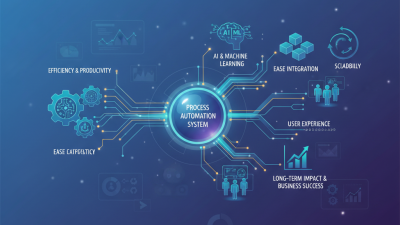
Software automation is transforming industries by streamlining workflows and reducing human error. Key technologies driving this change include machine learning, robotic process automation (RPA), and artificial intelligence (AI). These tools are making it possible to automate repetitive tasks, minimize downtime, and enhance overall productivity.
Machine learning algorithms analyze vast amounts of data. They identify patterns and make predictions, helping businesses improve decision-making processes. RPA allows organizations to automate routine processes across various applications. This technology can mimic user actions, greatly reducing the time needed for tasks like data entry. AI technology further enhances automation by enabling intelligent decision-making. It can interact with customers, manage inventory, and optimize supply chains.
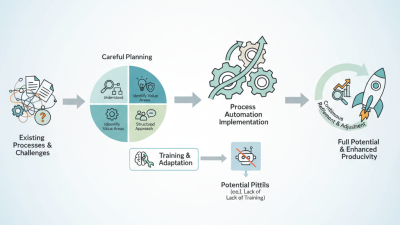
Yet, with these advances, challenges remain. Not all processes are suitable for automation, and businesses must evaluate which tasks will yield the most benefit. Additionally, there are concerns about job displacement and shifts in workforce dynamics. Implementing automation strategies requires careful planning and a willingness to adapt. Companies need to ensure that automation tools complement human workers rather than replace them entirely. This balance is vital for sustainable growth in an automated future.
Benefits of Software Automation: Efficiency, Accuracy, and Cost Savings
Software automation streamlines processes by leveraging technology to perform tasks that were traditionally done manually. This shift promotes higher efficiency and accuracy across various operations. Research indicates that businesses that implement automation can achieve efficiency gains of up to 30%. This improvement not only accelerates workflows but also enhances the quality of outputs. According to a study from McKinsey, automation can reduce operational costs by nearly 25%. Companies often find they can redirect these savings into other growth areas.
Cost savings are another significant benefit. Automating repetitive tasks can free up valuable employee time, allowing teams to focus on strategic initiatives. A study by Deloitte found that 58% of organizations reported a reduction in costs after implementing automation. However, transitioning to automated systems requires careful planning and training.
Tip: Before implementing automation, conduct a thorough assessment of your current processes. Identify areas that will yield the most significant benefits.
Furthermore, accuracy improves as the risk of human error decreases. Automation can consistently perform tasks, providing reliable results and maintaining standards. Businesses have noted increased customer satisfaction due to timely and accurate deliverables.
Tip: Regularly review automated tasks to ensure effectiveness. Continuous monitoring ensures that systems adapt to changing needs.
Industry Insights: Software Automation Adoption Rates and Trends
The adoption rates of software automation have been steadily climbing in recent years. According to a 2023 report by McKinsey, 58% of organizations are now embracing automation to streamline their processes. This marks a significant rise, up from 37% just two years prior. Such progress reflects a growing recognition of automation’s potential to enhance efficiency. Sectors like finance and manufacturing lead the charge, with 75% of companies in these fields implementing some level of automation.
Trends indicate that businesses are not just adopting automation but also expanding its use. A study by Gartner highlighted that 65% of firms plan to increase their investment in automation technologies within the next year. These companies aim to leverage automation for tasks ranging from data entry to customer service interactions. However, as businesses dive deeper into automation, challenges arise. Many find it difficult to integrate new systems with existing workflows, which can lead to temporary disruptions. Addressing these issues will be crucial for maximizing the benefits of automation.
Real-World Case Studies: Successful Implementations of Automation Solutions
In recent years, businesses have increasingly turned to automation to enhance efficiency. Numerous case studies illustrate successful applications of automation across various sectors. For instance, a large manufacturing firm implemented robotic process automation (RPA) to streamline assembly line tasks. They reported a 30% reduction in production time. Such transformations showcase how automation can yield significant time and cost savings.
Healthcare is another industry ripe for automation. A case study involving an electronic health record (EHR) system demonstrated a 25% decrease in patient wait times. Automation helped manage patient appointments and streamline data entry. This improvement allowed staff to focus on direct patient care rather than administrative tasks. Successful implementations reflect automation's potential to improve operational efficiency and service quality.
Tips for successful automation include identifying repetitive tasks and assessing scalability. Start small with pilot projects to evaluate impact. Engaging employees during the transition can also mitigate resistance. Remember, adequate training ensures smoother adoption of new technologies. Reflecting on potential roadblocks early will guide better decision-making during implementation.
What is Software Automation and How Can It Benefit You? - Real-World Case Studies: Successful Implementations of Automation Solutions
| Case Study |
Industry |
Automation Type |
Benefits Achieved |
Percentage Improvement |
| Order Processing |
E-commerce |
Robotic Process Automation |
Reduced processing time and errors |
40% |
| Customer Support |
Telecommunications |
AI Chatbots |
24/7 support and reduced response time |
60% |
| Inventory Management |
Retail |
Automated Inventory Tracking |
Improved stock accuracy and reduced overstock |
35% |
| Payroll Processing |
Human Resources |
Software Automation |
Reduced processing errors and payroll time |
50% |
| Marketing Campaign Management |
Marketing |
Automated Email Campaigns |
Increased engagement and conversion rates |
45% |