Top Tips for Choosing the Best Cable Manufacturing Machine
The choice of a Cable Manufacturing Machine significantly impacts production efficiency and quality. According to a recent market report by Allied Market Research, the global value of the cable manufacturing machine market is projected to reach $4.1 billion by 2027. This growth emphasizes the need for manufacturers to select machines that optimize performance and reduce costs.
Industry expert Dr. Emily Turner has stressed, “Investing in the right cable manufacturing machine is crucial for staying competitive.” Her insights highlight the importance of understanding technological advances and market demands. As manufacturers face increasing competition, selecting the ideal equipment becomes essential.
While budget constraints often influence choices, quality should never be sacrificed. Machines with advanced features can improve output and reduce waste, making them a worthy investment. Potential buyers should consider not only the initial costs but also the long-term benefits of reliable machinery. This approach fosters a more sustainable production environment.
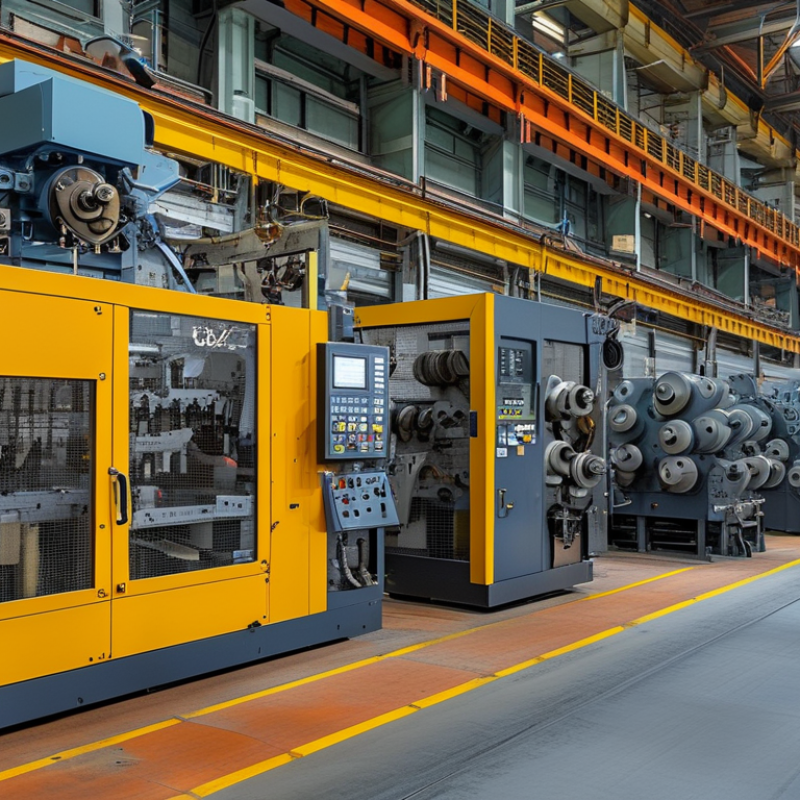
Understanding Types of Cable Manufacturing Machines
When exploring cable manufacturing machines, it's essential to understand the different types available. Manufacturers typically use a few key types, each designed for specific tasks. For instance, extrusion machines are common for wire insulation. They heat and shape materials to encase wire effectively. This process requires precise temperature control to ensure quality.
Another type worth mentioning is cabling machines. These machines twist and bind multiple wires together, creating various cable configurations, which can affect flexibility and strength. Selecting the right machine hinges on understanding the end product's application. Think about durability and environment. Are you making cables for outdoor use, or for delicate electronics?
Additionally, consider the machine's efficiency and maintenance. Regular upkeep ensures longevity and optimal performance. Does the machine require specialized skill for operation? Reflecting on these factors can lead you to better choices, but getting it right may take some trial and error. Each type serves its purpose, but not every solution suits every environment.
Key Features to Evaluate in Cable Manufacturing Equipment
When evaluating cable manufacturing equipment, understanding key features is essential. Speed and efficiency are critical in the production process. High-capacity machines can boost output significantly. According to industry reports, modern machines can achieve up to 90% efficiency, considerably reducing operational costs.
Monitoring and control systems also play a vital role. Advanced machines come with integrated analytics that track performance metrics in real-time. This capability helps identify issues before they escalate, enhancing uptime. It’s noteworthy that over 30% of failures in manufacturing are attributed to a lack of monitoring, based on findings from a recent industry analysis.
Another essential feature is versatility. The ability to produce different cable types using a single machine can save costs and space. For example, machines capable of handling various gauges are increasingly preferred. This allows manufacturers to adapt to changing market demands rapidly. Nevertheless, potential buyers should assess their specific needs carefully; purchasing an overly complex machine can lead to inefficiencies if it’s not fully utilized.
Factors Influencing Cable Manufacturing Machine Efficiency
When selecting a cable manufacturing machine, several factors can significantly impact efficiency. Understanding these factors is essential for optimizing production processes. Key influences include machine speed, precision, and ease of maintenance. The right machine should balance these elements to ensure productivity.
Consider the machine's speed; higher speeds may seem attractive, but they can reduce the quality of the output. Striking a balance between speed and quality is crucial. Precision is another factor that can't be overlooked. A machine with high accuracy minimizes waste and rework, leading to cost savings. Do not underestimate the importance of maintenance. Machines that are easy to maintain typically lead to better uptime and fewer disruptions.
Here are some tips to enhance efficiency. Always evaluate the specific needs of your production line. This ensures you choose a machine tailored to your requirements. Regular training for operators can also improve the machine's performance. Investing in employee skills pays off in the long run. Analyzing the production environment helps identify potential inefficiencies. Sometimes, small adjustments can have a significant impact. Understanding these elements leads you to better decisions in machine selection.
Budget Considerations for Purchasing Cable Production Machines
When considering budget for purchasing cable production machines, several factors must be analyzed thoroughly. The global wire and cable market is projected to reach USD 300 billion by 2024, as reported by industry analysts. This growth underscores the importance of investing wisely in machinery. A cheaper machine may save costs upfront, but it could lead to higher maintenance expenses and production delays.
Labor costs also play a significant role. Advanced machines can reduce labor requirements, thus lowering ongoing operational costs. However, they come with higher initial expenditures. Industry reports suggest that investing in automated systems can increase production efficiency by up to 30%. This helps offset the higher upfront costs.
Additionally, consider the machine’s life cycle. A high-quality machine may have a higher initial price but could deliver superior performance over many years. Evaluating total cost of ownership is critical. This includes not just the purchase price, but maintenance and operation costs over time. Nothing is perfect. Some machines might not fit every production line perfectly. Therefore, some trial and error may be necessary to find the best fit for your specific needs. Research and careful financial planning can lead to better investment decisions in the long run.
Maintenance and Support Services for Cable Manufacturing Equipment
When investing in cable manufacturing equipment, maintenance and support services play a critical role. A recent industry report highlights that regular maintenance can extend machinery life by up to 30%. This not only minimizes downtime but also boosts productivity. It's essential to have a clear understanding of the maintenance protocols your equipment requires. Some machines need daily checks, while others may require monthly evaluations.
Finding reliable support services is equally crucial. An overwhelming 70% of manufacturers report that access to on-site technicians can resolve technical issues swiftly. When machines malfunction, delays can lead to significant losses. Additionally, software updates for digital controls can improve efficiency but require expert handling. Sometimes, manufacturers face challenges in finding trained personnel. This gap can result in machinery operating below optimal levels.
Routine inspections and training programs are often overlooked. Yet, these practices are vital for sustaining operational efficiency. According to surveys, companies that invest in employee training see a notable increase in production quality. Reflecting on your approach to maintenance and support can help ensure smoother operations in the long run.