
Why Do Car Wiper Blades Wear Out So Quickly?
Car Wiper Blades face rain, dust, road salt, sunlight, and sudden temperature changes. Their rubber edges drag across glass thousands of times each year. That constant contact slowly rounds the wiping edge, creating streaks, skips, and noisy chatter.
Grand View Research estimates that the global automotive windshield wiper market reached approximately USD 4.5 billion in 2023. Its report also projects continued growth through 2030, supported by rising vehicle ownership and replacement demand. The data suggests a practical point: wiper replacement is not a minor maintenance issue. It is a recurring safety requirement.
Richard Reina, Product Training Director at CARiD, describes wipers as “one of the most overlooked safety components on a vehicle.” His observation explains why worn blades often remain installed too long. Many drivers wait for visible cracking. However, microscopic hardening can begin earlier, especially after prolonged sun exposure. Heat matters.
The common six-to-twelve-month replacement guideline is useful, but it is not a strict rule. AAA recommends regular inspection and replacement when performance declines, while climate and driving conditions can shorten blade life. A vehicle parked outdoors in Arizona may need different attention than one kept in a shaded garage in Oregon.
The overlooked detail is the windshield itself. Fine grit can act like sandpaper beneath the rubber. Using dry blades accelerates wear. I have to admit, replacement intervals are sometimes presented too confidently. Real-world evidence depends on inspection, weather, glass cleanliness, and blade quality. This article examines those factors closely.
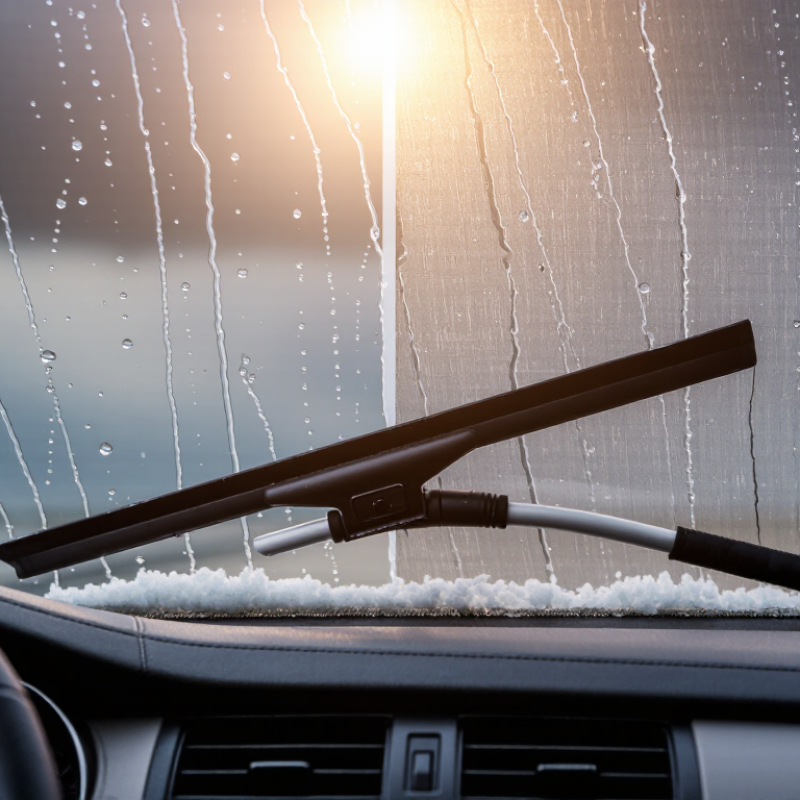
Wiper blades do more than sweep away rain. Their rubber edges press against the windshield, clearing water, dust, and road grime so the driver can see clearly. That thin edge needs even contact across the glass. When it hardens, cracks, or gets nicked, it may leave streaks or skip over parts of the windshield.
Sunlight and heat can dry the rubber, while grit trapped beneath the blade can scratch its edge with every pass. Using the wipers on a dry, dusty windshield adds friction. A small split may seem harmless, but it can leave a hazy band right where visibility matters. Rubber wear is gradual, and it is easy to miss until rain makes it obvious.
Tips: Lift the blades gently and check for cracks, rough spots, or loose sections. Clean the rubber edge and windshield with a damp, soft cloth; avoid pulling or twisting the blade. If it still streaks after cleaning, replacement may be needed. Don’t wait for a heavy downpour to find out. Even regular checks can miss early wear, so keep an eye on the view through the glass.
Wiper blades work against more than rain. Sunlight, heat, ozone, and airborne grit gradually harden and roughen their rubber edges. Parked outdoors, a blade may bake against hot glass; on a dusty morning, it can drag fine particles across the windshield. That repeated friction can leave streaks, chatter, or missed patches. Small changes matter.
Road grime and dried insects add abrasion, while winter ice can tear a blade if it is switched on before the windshield is clear. Using the wipers to scrape frost is an easy mistake. So is running them on a nearly dry windshield. AAA maintenance guidance gives a typical replacement interval of six to twelve months, but climate and parking habits can shorten it. That interval is a guide, not a guarantee.
Inspection helps catch wear before visibility suffers. Look for split rubber, a curled edge, or sections that lift from the glass. Clean the blade gently with a damp cloth; gritty residue can keep cutting into the edge. A quick check after a heat wave or icy spell is useful, though it will not reverse damage already done. Real conditions vary.
Why Do Car Wiper Blades Wear Out So Quickly?
How Weather, Dirt, and Chemicals Damage Wiper Blades
Wiper blades face sunlight, heat, rain, dust, and freezing air every day. Ultraviolet radiation dries the rubber surface and creates tiny cracks. Ozone also attacks rubber molecules, especially during hot, polluted weather. The ASTM D1149 standard specifically evaluates ozone-related cracking in elastomer materials. This damage can begin before drivers notice visible splitting.
Dirt creates another problem. Fine sand trapped beneath the blade acts like abrasive powder across the glass. Road salt leaves sharp crystals and attracts moisture. Dried insects and bird residue can harden into rough patches. Washer fluid usually helps, but strong solvents, concentrated detergents, or incompatible cleaning chemicals may speed rubber swelling or surface hardening. A practical inspection should check for streaks, skipping, torn edges, and a squeaking sound.
Rain itself does not simply “wear out” a blade. Weather increases the risk when visibility falls. The U.S. Federal Highway Administration reports that 46% of weather-related crashes occur during rainfall. That figure concerns driving risk, not blade lifespan, but it shows why clear wiping matters. Many maintenance guides suggest replacement every six to twelve months, yet this is only a rough interval. A shaded vehicle may last longer. A parked car under intense sun may fail sooner. The six-month rule is convenient, not exact. My own inspection can still miss hardened rubber beneath surface dirt. Cleaning the glass and blade edge regularly may reveal the real condition.
Common replacement guidance is every 6–12 months. Heat, sunlight, dirt, and chemical residue can shorten blade life.
What speeds up wear: UV exposure and heat can harden rubber; grit can abrade the wiping edge; ice and dry wiping add mechanical stress; and road film or cleaning chemicals can leave residue that causes streaking.
The 6–12 month range is general maintenance guidance, not a guaranteed lifespan. Inspect blades regularly and replace them when they streak, chatter, or leave unwiped areas.
Wiper blades usually give warning before they stop clearing the windshield. Watch for thin, unwiped bands that remain after each pass. A cloudy smear across your view can also signal worn rubber, especially at night when headlights catch the film. Check the glass first; road grime or wax can cause similar symptoms.
Listen, too. Chattering, squeaking, or skipping often means the blade no longer sits evenly against the glass. Inspect the rubber edge with the wipers off. Cracks, splits, missing pieces, or a curled lip are clear signs of damage. Feel for stiffness, but don’t pull hard on the blade. Even a small tear matters in heavy rain. Not every noise means replacement, though; a dirty windshield can fool you. Clean the glass and blade, then test them with washer fluid. If streaks remain, replace the blades soon. Visibility can worsen quickly. My own inspections have missed early wear on the passenger side, so check both blades, not just the one in your line of sight.
| Observable Sign | Likely Cause | Effect on Visibility and Safety | Simple Check | Recommended Action |
|---|---|---|---|---|
| Streaks or unwiped bands | Worn, hardened, or damaged rubber no longer maintains even contact with the glass. | Leaves areas of the windshield unclear, especially in heavy rain or at night. | Operate the washers and inspect whether clean water is removed in one smooth pass. | Replace the blade if streaking remains after cleaning the windshield and rubber edge. |
| Chattering, skipping, or vibration | Dry glass, wax or road-film contamination, a hardened blade edge, or an incorrect wiper arm angle. | Creates intermittent blind spots and can distract the driver. | Test the wipers on a wet windshield; do not run them repeatedly on dry glass. | Clean the glass and blade first. Replace the blade if the noise or skipping continues. |
| Squeaking during operation | Friction caused by aged rubber, dirt, glass contamination, or insufficient washer fluid. | May indicate poor contact and can become worse during prolonged rain. | Check the washer-fluid level and wipe the rubber edge with a clean, damp cloth. | Replace the blade when squeaking persists on clean, wet glass. |
| Visible cracks, splits, or tears | Ultraviolet exposure, ozone, temperature changes, ice, and general aging have damaged the rubber. | The damaged edge can fail to clear water and may separate from the frame. | Lift the wiper arm carefully and examine the entire rubber strip from end to end. | Replace immediately; damaged rubber cannot reliably be restored by cleaning. |
| Rubber edge is brittle or curled | Heat, sunlight, freezing conditions, and long periods of non-use have reduced flexibility. | Uneven pressure leaves water behind and reduces the cleared viewing area. | With the blade lifted, look for a rounded, hardened, or curled wiping edge. | Replace the blade, particularly before the next season of frequent rain or snow. |
| Unwiped areas in the center or at the ends | A bent wiper arm, weak arm spring, distorted frame, or blade wear prevents consistent pressure. | Important sections of the driver’s field of view may remain obstructed. | Inspect the blade while operating it and check whether the arm presses evenly across the glass. | Replace the blade if worn; have the arm or linkage inspected if a new blade does not help. |
| Metal or plastic contacts the glass | The rubber insert has torn, detached, or deteriorated significantly. | Can scratch the windshield and rapidly worsen visibility. | Stop using the wiper and inspect the blade for missing or loose rubber. | Replace the blade immediately and check the windshield for damage. |
| Reduced performance after cleaning | The blade has reached the end of its service life rather than being affected only by surface dirt. | Continued use may leave a hazy film during sudden rain. | Clean the windshield and rubber edge, then retest with adequate washer fluid. | Replace the blade when cleaning does not restore smooth, streak-free wiping. |
General replacement guidance: many wiper blades last about 6–12 months, but climate, sunlight, parking conditions, ice, dust, and frequency of use can shorten or extend their service life. Inspect the blades regularly and replace them whenever visibility is compromised.
Why Do Car Wiper Blades Wear Out So Quickly?
Sunlight, heat, road grit, and freezing weather all age wiper rubber. Dust and dried pollen can also drag across the windshield, wearing the blade’s edge. Even a small patch of grit may leave a thin, curved smear. Running dry wipers on a dusty windshield makes that friction worse.
Tips: Clean the blades with a damp, soft cloth when you wash the car. Use mild soap if dirt remains, then rinse the windshield before switching the wipers on. Check for split edges, stiffness, or uneven streaks every few weeks. Avoid pulling frozen blades from the glass; let the ice soften first. Small habits help.
Use washer fluid when the glass is dry or dirty, rather than asking the blades to scrub debris away. Follow your vehicle manual when fitting replacements, and make sure each blade sits firmly in its connector. If streaking continues after cleaning, the rubber may be worn—or the windshield may need attention. There is no perfect replacement schedule: heat, parking conditions, and driving habits vary, so inspect the blades instead of relying on a calendar alone.
| Cookie | Duration | Description |
|---|---|---|
| cookielawinfo-checkbox-analytics | 11 months | This cookie is set by GDPR Cookie Consent plugin. The cookie is used to store the user consent for the cookies in the category "Analytics". |
| cookielawinfo-checkbox-functional | 11 months | The cookie is set by GDPR cookie consent to record the user consent for the cookies in the category "Functional". |
| cookielawinfo-checkbox-necessary | 11 months | This cookie is set by GDPR Cookie Consent plugin. The cookies is used to store the user consent for the cookies in the category "Necessary". |
| cookielawinfo-checkbox-others | 11 months | This cookie is set by GDPR Cookie Consent plugin. The cookie is used to store the user consent for the cookies in the category "Other. |
| cookielawinfo-checkbox-performance | 11 months | This cookie is set by GDPR Cookie Consent plugin. The cookie is used to store the user consent for the cookies in the category "Performance". |
| viewed_cookie_policy | 11 months | The cookie is set by the GDPR Cookie Consent plugin and is used to store whether or not user has consented to the use of cookies. It does not store any personal data. |