

How to Choose Control Systems Automation Solutions in 2026?
Choosing control systems automation solutions in 2026 is less about buying the newest platform and more about matching technology to real operating conditions. A packaging line with legacy PLCs has different needs from a water-treatment facility or a new manufacturing cell. The right choice should support reliable production, clear visibility, and safe, manageable change.
Start by examining the systems already in place. Note controller brands, network protocols, software versions, and where operators lose time. A dashboard may look impressive, yet add little value if it cannot explain why a conveyor stopped at 2:14 a.m. Ask vendors to demonstrate realistic tasks: changing a setpoint, tracing an alarm, restoring a backup, and adding a device. Small details matter. So does support after installation.
Assess cybersecurity, compatibility, lifecycle costs, training, and future expansion together—not as separate checkboxes. Request evidence for performance claims, including test results, support commitments, and references from comparable sites. Check how updates are handled and what happens if a critical component becomes unavailable. A low purchase price can conceal migration work or specialist costs. No scorecard removes every uncertainty. In practice, teams sometimes discover an overlooked dependency only during commissioning. That is worth admitting early, not hiding in a proposal. This guide explores how to compare solutions, ask sharper questions, and choose an approach that fits your process, people, and maintenance capacity in 2026.
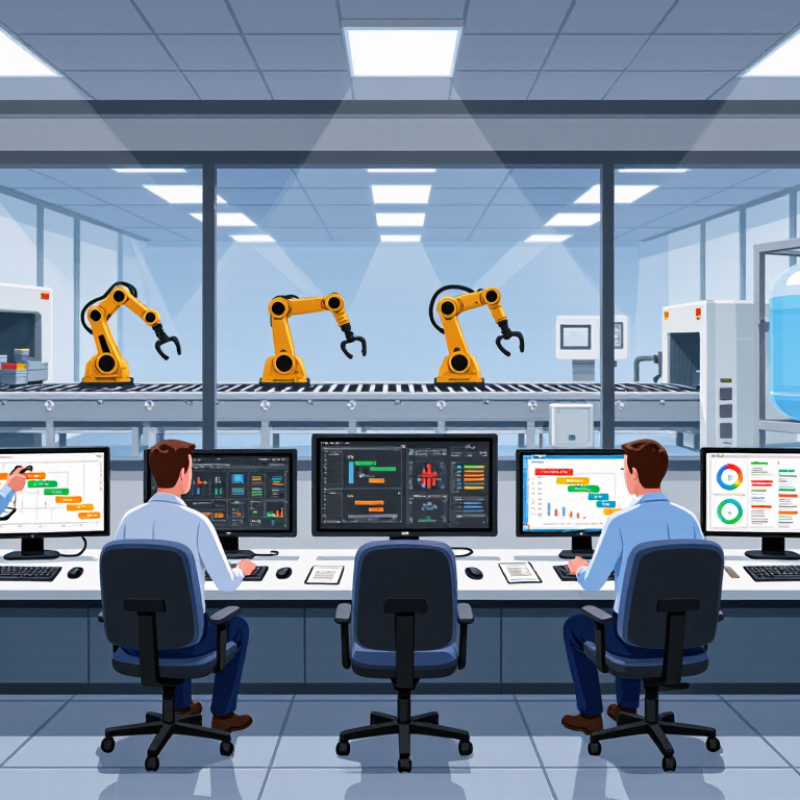
Define Operational Requirements and Automation Goals
How to Choose Control Systems Automation Solutions in 2026?
Define Operational Requirements and Automation Goals
Start with the work, not the equipment. Map one production line from raw material intake to finished goods. Record cycle times, changeover delays, alarm frequency, and manual checks. Then identify the constraint that matters most: throughput, quality variation, energy use, or operator workload. Deloitte’s 2024 Smart Manufacturing and Operations Survey found that 86% of respondents expect smart manufacturing to be a primary driver of competitiveness within five years. That expectation is not a target for every plant. A facility with unreliable sensor data may need better instrumentation before advanced analytics.
Turn goals into measurable requirements. For example, set a target to reduce unplanned stoppages by 10% over twelve months, then specify the data and system access needed to track progress. Check whether proposed controls can integrate with existing equipment, support safe manual intervention, and scale without replacing the whole line. Document cybersecurity, maintenance, training, and recovery needs. These details are easy to overlook. They often decide whether a solution works beyond a pilot.
Tips: Walk the process with operators during a normal shift, not only during a presentation. Ask which alarms they routinely ignore and why. Set a baseline before changing controls, and assign one owner to each metric. Be honest about uncertain targets; a neat spreadsheet can still reflect a poor assumption. Revisit requirements after trials, because actual operating conditions may challenge the original plan.
How to Choose Control Systems Automation Solutions in 2026? — Define Operational Requirements and Automation Goals
| Requirement area | What to define | Useful measures or evidence | Automation goal | Solution selection implication | How to verify |
|---|---|---|---|---|---|
| Process and operating envelope | Identify process steps, operating modes, setpoints, normal ranges, and allowable limits. | Process flow diagrams, control narratives, instrument list, operating procedures, and process-variable ranges. | Control the process consistently across startup, normal operation, changeover, and shutdown. | Confirm the system supports the required control loops, sequencing, alarms, and operating modes. | Review the control narrative and test representative operating scenarios with process engineers. |
| Throughput and cycle time | Set required production rates, batch sizes, cycle times, and expected product mix. | Units per hour, cycle time, batch duration, changeover time, and historical production records. | Meet production demand while reducing avoidable delays and bottlenecks. | Assess controller performance, sequencing capacity, data collection rate, and integration with production planning systems. | Run a time-based acceptance test using representative products, recipes, and operating conditions. |
| Quality and process variability | Specify critical quality characteristics, tolerances, sampling frequency, and traceability needs. | Specification limits, rejection and rework records, process capability data, and batch or lot records. | Reduce process variation and identify conditions associated with out-of-specification product. | Check support for recipe management, event history, consistent timestamps, and links between process data and product lots. | Verify recorded values, alarms, and batch records against defined quality scenarios. |
| Availability and recovery | Define operating schedules, acceptable downtime, recovery objectives, and maintenance windows. | Downtime logs, mean time between failures, mean time to repair, backup procedures, and recovery-time requirements. | Keep essential operations running and restore control functions predictably after faults. | Evaluate redundancy needs, backup and restore methods, spare-parts availability, diagnostics, and support coverage. | Test documented failure, backup, restoration, and failover scenarios where applicable. |
| Safety and regulatory obligations | Identify hazards, safety functions, applicable regulations, site procedures, and required approval responsibilities. | Hazard analyses, safety requirements, inspection records, alarm rationalization, and compliance documentation. | Support safe operation, clear operator response, and demonstrable compliance with applicable requirements. | Determine whether safety-related functions require separate assessment, design, validation, or dedicated systems. | Use qualified safety and compliance personnel to review design documents and validate specified functions. |
| People and operator workflow | Document operator tasks, shift handovers, access roles, training needs, and manual interventions. | Task observations, alarm response procedures, training records, and feedback from operators and maintenance staff. | Make operating conditions visible and help staff respond consistently to abnormal situations. | Review usability, role-based access, alarm presentation, operator interfaces, and training requirements. | Conduct task-based reviews with representative users before commissioning. |
| Equipment and system integration | List existing instruments, controllers, drives, machines, networks, and business or production systems to connect. | Interface inventory, communication requirements, data ownership, signal lists, and lifecycle information for installed equipment. | Exchange the necessary information without disrupting essential control functions. | Check supported interfaces, data formats, integration boundaries, and plans for legacy equipment. | Test end-to-end data flow, failure handling, and time synchronization in a representative environment. |
| Cybersecurity and access control | Define security responsibilities, permitted connections, user roles, remote access conditions, and incident procedures. | Network diagrams, asset inventory, access reviews, backup records, and site security policies. | Reduce unauthorized access and support controlled, auditable system changes. | Assess network segmentation, authentication, logging, patching responsibilities, and secure maintenance access. | Review the architecture with the site's cybersecurity team and test access controls before deployment. |
| Data and reporting | Specify which data is needed, who uses it, how long it must be retained, and how it should be reported. | Required tags, sampling intervals, retention periods, report definitions, and time-stamp requirements. | Provide reliable operational records for troubleshooting, production review, and required reporting. | Estimate storage and network needs; verify historian, reporting, export, and data-access capabilities. | Compare sampled records and reports with source values over a representative operating period. |
| Maintainability and lifecycle | Set expectations for maintenance skills, documentation, spares, upgrades, and long-term support. | Maintenance plans, staff skill assessments, spare-parts lists, software inventories, and upgrade constraints. | Keep the system supportable throughout its intended service life and simplify fault diagnosis. | Compare maintainability, documentation quality, training needs, upgrade paths, and dependency on specialist support. | Review maintenance procedures and demonstrate routine diagnostics, backup, and change-management tasks. |
| Project cost and delivery risk | Define budget boundaries, installation constraints, commissioning windows, and acceptable implementation risk. | Lifecycle cost estimate, engineering effort, installation schedule, outage requirements, training, and support costs. | Deliver measurable operational value within the site's financial and scheduling constraints. | Compare total lifecycle cost and delivery assumptions, not only initial equipment or software purchase cost. | Validate estimates, scope exclusions, milestones, and acceptance criteria with operations, engineering, and finance. |
Planning note: Set project-specific targets from site data, process requirements, applicable regulations, and risk assessments; the measures above are selection prompts, not universal performance guarantees.
Related Posts
-
10 Best Automatic Control Systems for Global Buyers?
-

Best Industrial Control Systems in 2026
-

China Top Industrial Control Systems Suppliers?
-

How to Choose Control Systems for Global Procurement
-
How to Choose the Best Industrial Automation Solutions for Your Business?
-
China Top Industrial Automation Solutions Manufacturers